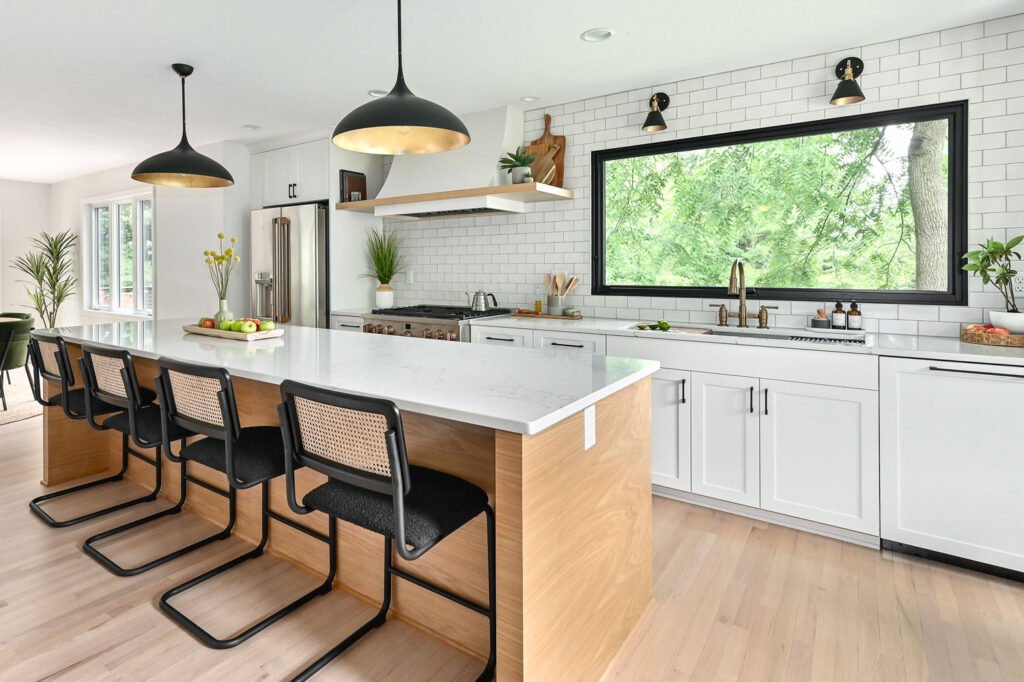
A Deep Dive into Kitchen Design: Success Stories and Lessons Learned from Experts and Real Homeowners
- By Decorvista Cabinet 8/27/2025
Facebook
Twitter
LinkedIn
Pinterest
The kitchen is the heart of the home, a reflection of our daily lives. A well-designed kitchen can transform cooking from a chore into a joy. Drawing from the valuable insights of design professionals, seasoned chefs, and real-life users, this guide offers a comprehensive look at how to build a kitchen that is both beautiful and functional.
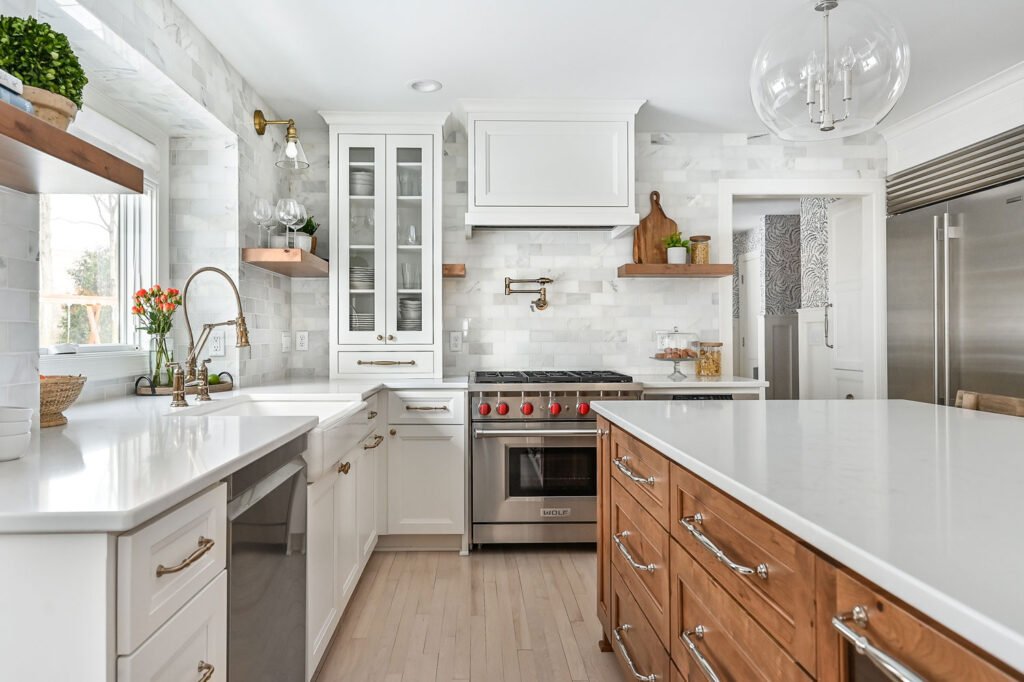
Part 1: Proven Successes—Investments That Are Absolutely Worth It
Great design is something you’ll appreciate for years to come. Here are the smart choices that have been tried and tested.
Layout & Hardware: The Foundation of an Efficient Kitchen
Layout Is Everything: Follow the golden triangle principle of “store-wash-prep-cook-serve.” Position your fridge, sink, and stove in a triangular layout, keeping the distance between 1.2 and 2.4 meters to minimize unnecessary movement. A pro tip: on your design plans, draw the open-door paths for all appliances like the dishwasher and oven to ensure a smooth workflow.
Layered Lighting is Key: Effective kitchen lighting has three layers: general ambient lighting (ceiling lights), task lighting for work areas (under-cabinet light strips), and accent lighting (in-cabinet lights). Neutral light with a color temperature around 4000K is ideal for keeping food colors true while providing a comfortable environment.
Custom Countertop Height: Countertop height should be tailored to the primary user’s height. If possible, consider different heights for different zones. A lower height for the cooking area can reduce arm strain, while a higher prep area can prevent backaches from bending over.
More Outlets Are Better: With more kitchen appliances than ever, it’s wise to install at least 4-6 outlets on your main countertop. Choose models with switches for added safety. High-power appliances like the fridge and oven should be on dedicated circuits to prevent tripping breakers.
Single, Deep Sink: Experience shows that a large single basin is more practical than a double one, making it easy to wash large pots and pans. A depth of 18-22cm is recommended to prevent splashing. Choose durable, easy-to-clean 304 stainless steel.
Details & Materials: The Keys to a Happy Kitchen
Choose Easy-to-Clean Materials: Prioritize stain-resistant and easy-to-clean materials for all surfaces. Quartz countertops, glazed tiles, stainless steel, and tempered glass are all great choices. Avoid porous materials and designs with too many seams, which can trap dirt.
Maximize Storage: Modern families have a lot of stuff. In addition to traditional cabinets, consider diverse storage solutions like pull-out drawers, lazy susans for corners, pull-down shelves in upper cabinets, and wall-mounted rail systems to utilize every inch of space.
Unlacquered Brass Hardware: Unlike shiny, new hardware, unlacquered brass oxidizes over time, developing a unique patina that gives your kitchen a sense of age and character.
Drawer Microwave: This design seamlessly integrates the microwave into your cabinetry for a more cohesive look. Its slow-opening mechanism also helps prevent spills, and it’s very easy to clean.
Pot Filler Faucet: While controversial, this is a true “happiness booster” for home cooks. It eliminates the hassle of carrying heavy pots of water from the sink to the stove, making meal prep much easier and more efficient.
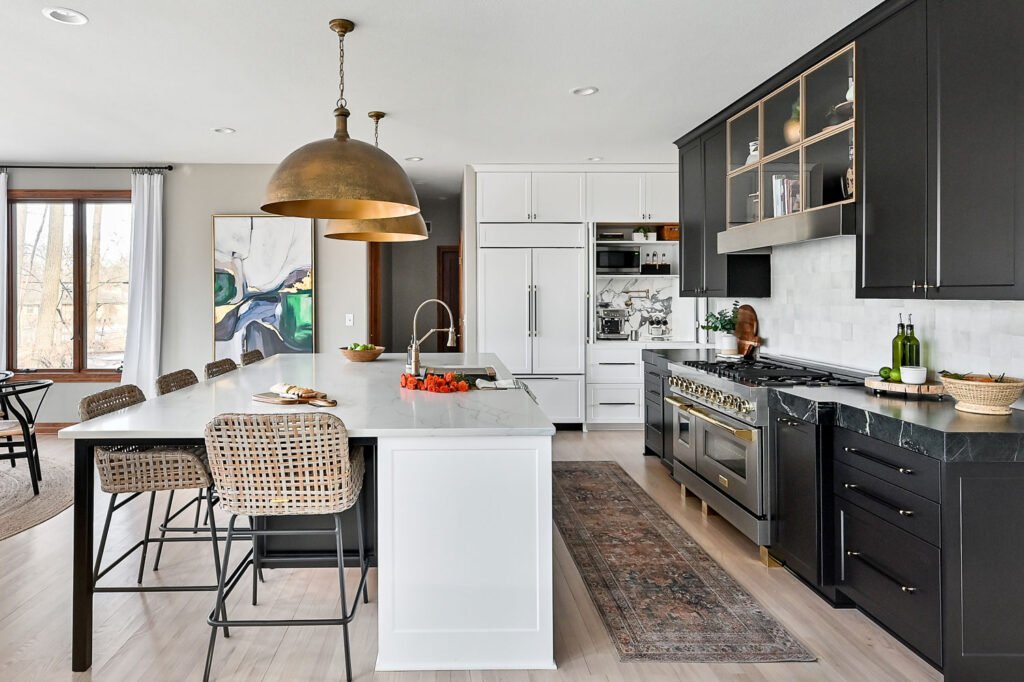
Part 2: Lessons Learned—Avoid These Common Pitfalls
Renovation regrets often stem from initial compromises or a lack of foresight. Learn from these common mistakes to avoid making them yourself.
Beauty Over Functionality: Many homeowners choose open shelving or bumpy wall tiles for aesthetics, only to find they are difficult to clean and impractical. Remember: your kitchen is a workspace first, and a showpiece second.
Insufficient Storage Planning: The most common post-renovation complaint is a lack of storage. Many people neglect to utilize vertical and corner spaces, leading to cluttered countertops. Before you start, take inventory of all your kitchen items and plan your storage accordingly, leaving room for future growth.
Poor Lighting Design: Relying on a single ceiling light creates shadows on countertops, making it difficult to chop and cook. This is a common but easily avoidable mistake; simply plan for a layered lighting scheme in advance.
Underestimating Your Budget: Kitchen renovations are often more expensive than anticipated. Common budget overruns include plumbing, electrical upgrades, custom cabinets, and high-end appliances. It’s wise to set aside a 20% contingency fund.
Following Trends Blindly: Trendy designs may not suit your cooking habits or space. An open kitchen might not be ideal for heavy stir-frying, and an island in a small space can make it feel even more cramped. Always choose a design that fits your real-life needs.