The Ultimate Cabinet Buying Guide: FAQ & Expert Answers

Facebook
Twitter
LinkedIn
Pinterest

    In kitchen renovations, cabinets often take up the largest portion of your budget, are used most frequently, and can be the easiest place to make costly mistakes. A well-built cabinet system dramatically improves storage efficiency, cooking experience, and overall home comfort.

This guide is based on industry standards and international supply-chain practices (suitable for homeowners, builders, and cabinet dealers worldwide). It provides clear, systematic answers to the most common questions across six key areas: materials, hardware, design, budgeting, shipping, installation, and after-sales service.

This article can be directly used as a brand knowledge-base post, FAQ page, or SEO content.

 1. Cabinet Basics: Structure Determines Quality

Q1: What are the main components of a cabinet system?

A complete cabinet system includes four core modules:

Carcass: Determines structural strength and overall lifespan

Front Panel: Defines the style and affects durability

Countertop: Impacts cooking comfort and ease of cleaning

Hardware System: Controls smoothness, durability, and load capacity

Pro Tip: Never cut the budget on hardware and countertops—they define the user experience more than anything else.

2. Material Selection: The Balance Between Durability & Appearance

Q2: How do I choose cabinet carcass materials? Which is most durable?

Material

Stability

Moisture Resistance

Eco-friendliness

Best For

Overall Rating

Plywood (Highly Recommended)

★★★★★

★★★★☆

★★★★☆

Kitchens / Humid areas

Stable, durable, anti-warping

Particle Board

★★★★☆

★★★☆☆

★★★★☆

Bedrooms / Closets

High cost-effectiveness

MDF

★★★☆☆

★★☆☆☆

★★★★☆

Door panel shaping

Not recommended for carcasses

Conclusion:
Plywood is the best choice for kitchens; particle board is suitable for budget-friendly projects.

Q3: How should I choose door panel materials?

Common door panel options:

Melamine: Scratch-resistant, stable, easy to clean

PET / UV High Gloss: Modern glossy look

PVC (Thermofoil): Ideal for classic/American/European styles

Painted Doors: High-end look but less scratch-resistant

Solid Wood: Natural texture, highest price

Q4: Should I choose quartz or sintered stone for countertops?

Quartz (Highly Recommended): Heat-resistant, scratch-resistant, stain-resistant—best for daily cooking

Sintered Stone: High-end appearance, heat-resistant but more expensive and harder to fabricate

Stainless Steel: Extremely durable, favored by professional kitchens

If you cook often: choose quartz.
If you prioritize design: sintered stone is a great choice.

3. Cabinet Design & Dimensions: Comfort Comes First

Q5: How do I determine the ideal countertop height?

Recommended height: 85–92 cm

Formula:
Countertop Height = (Your Height ÷ 2) + 5 cm

If the couple has a big height difference, consider zone-divided height design, which is common in modern kitchens.

Q6: What cabinet layout should I choose?

Single-Wall: Best for narrow kitchens

L-Shaped: Most versatile, efficient workflow

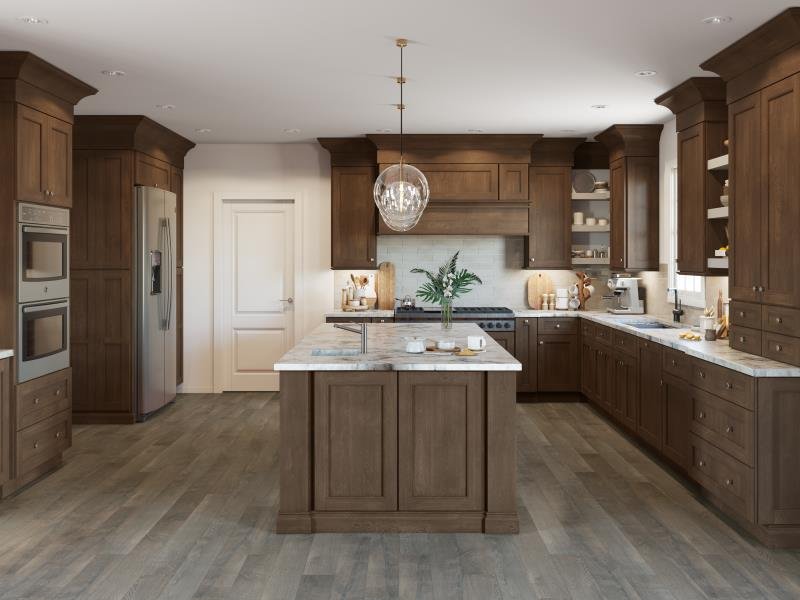
U-Shaped: Maximum storage; requires ≥ 2m walkway

Double-Row: Ideal for long galley kitchens

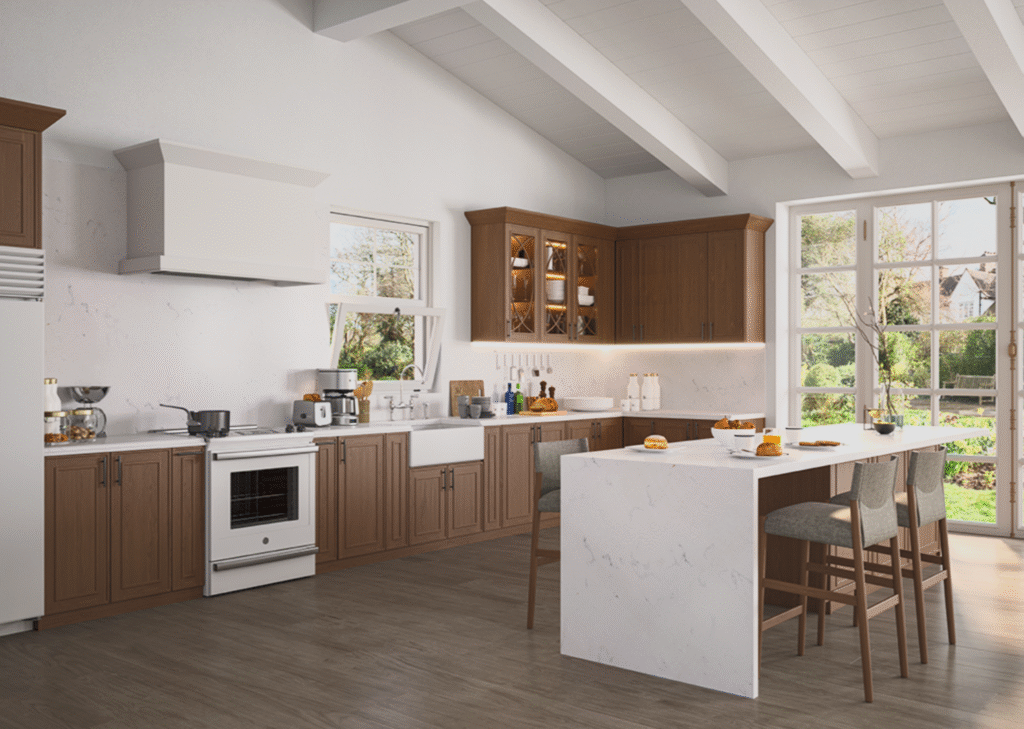
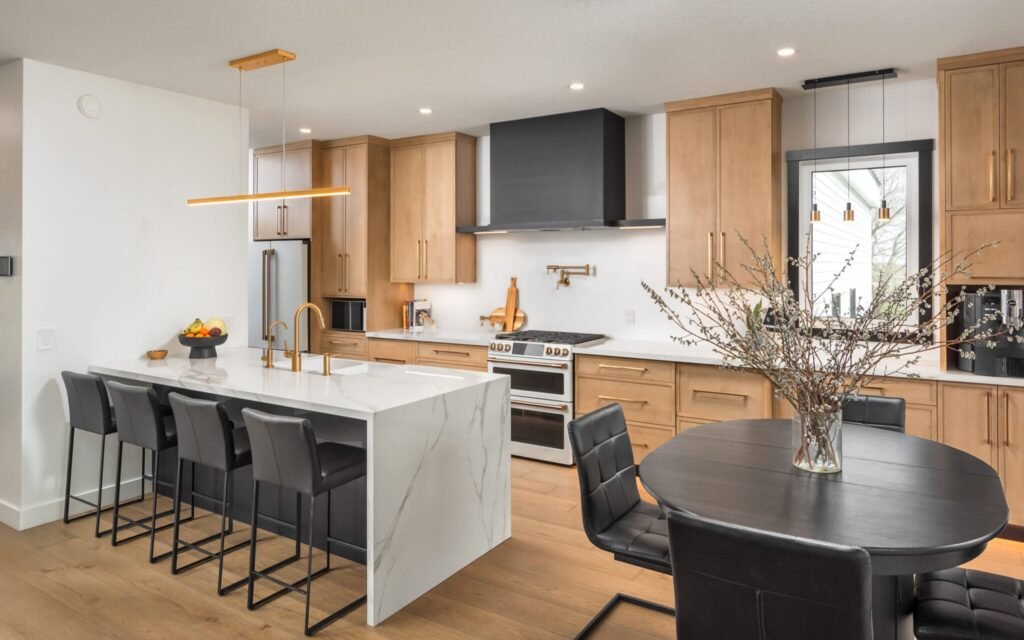
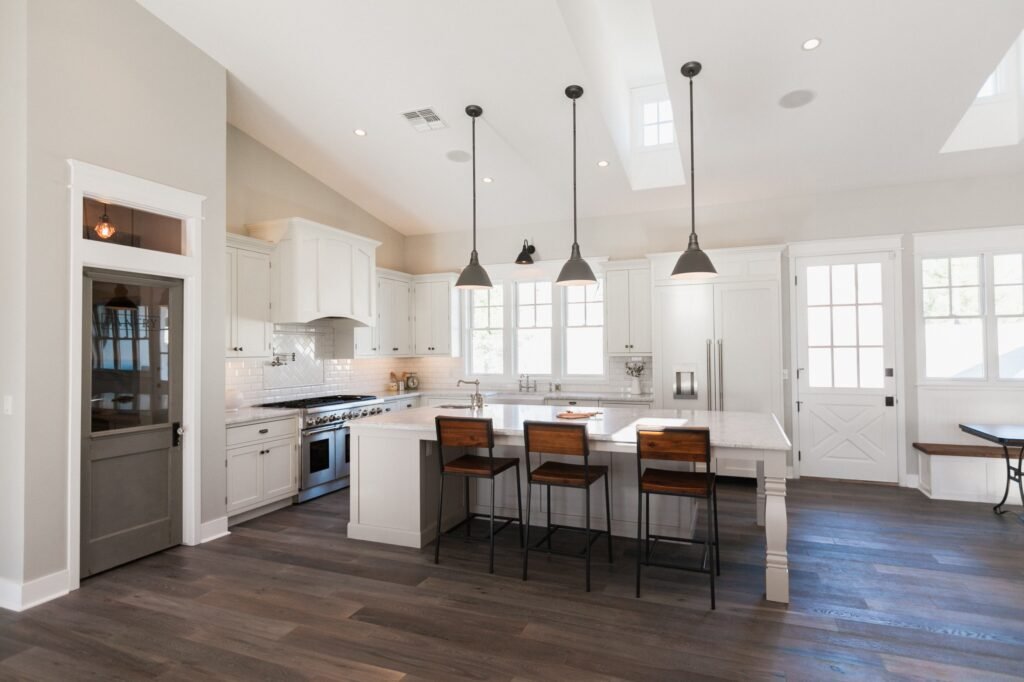
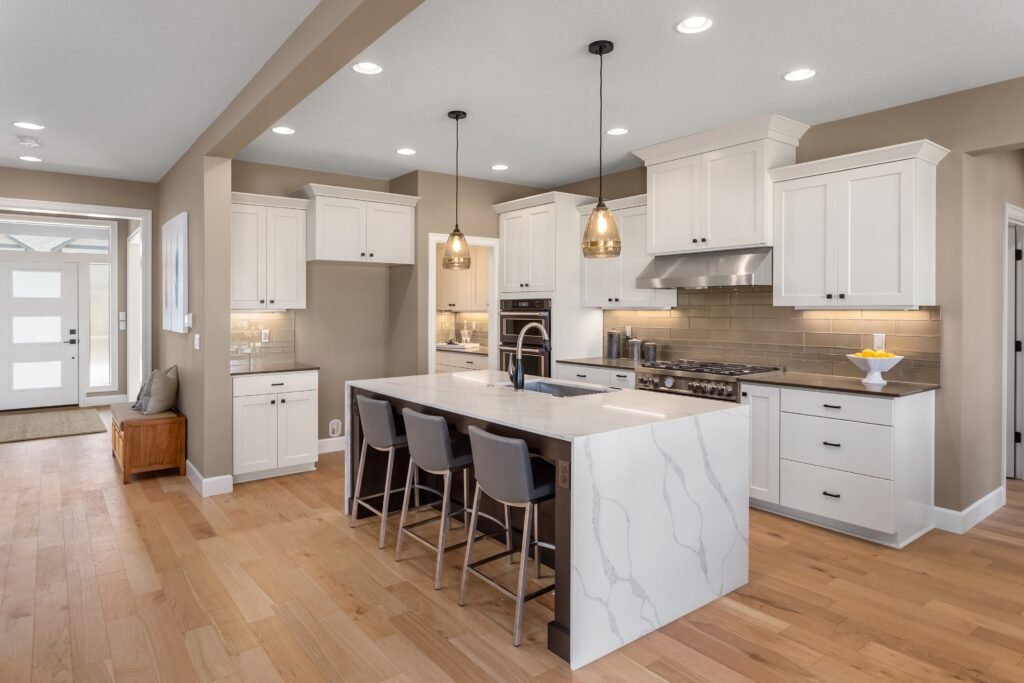
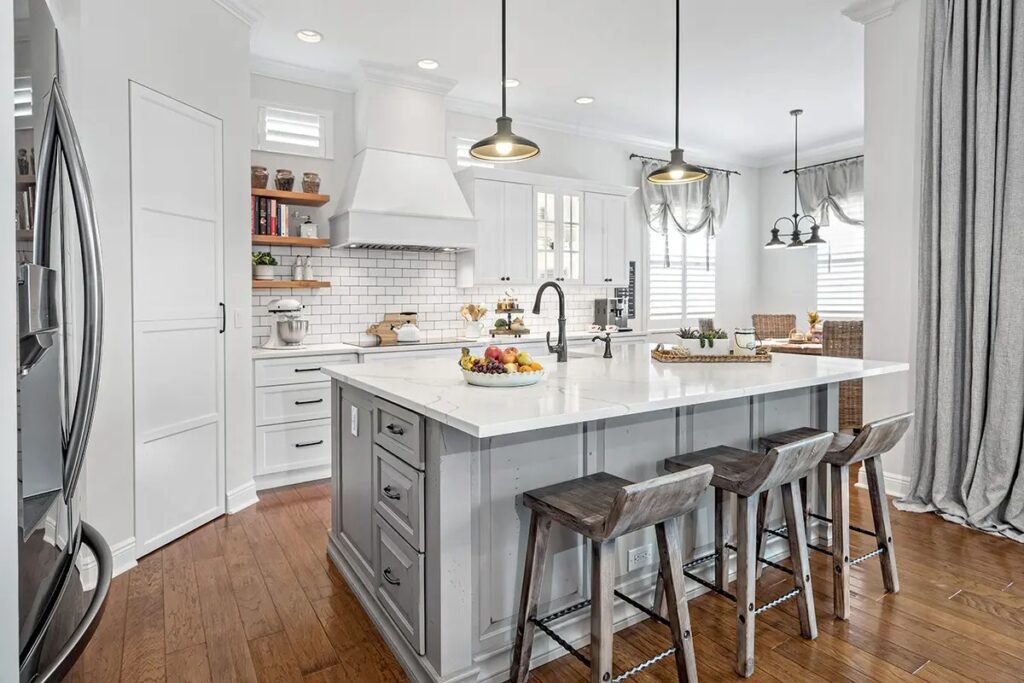
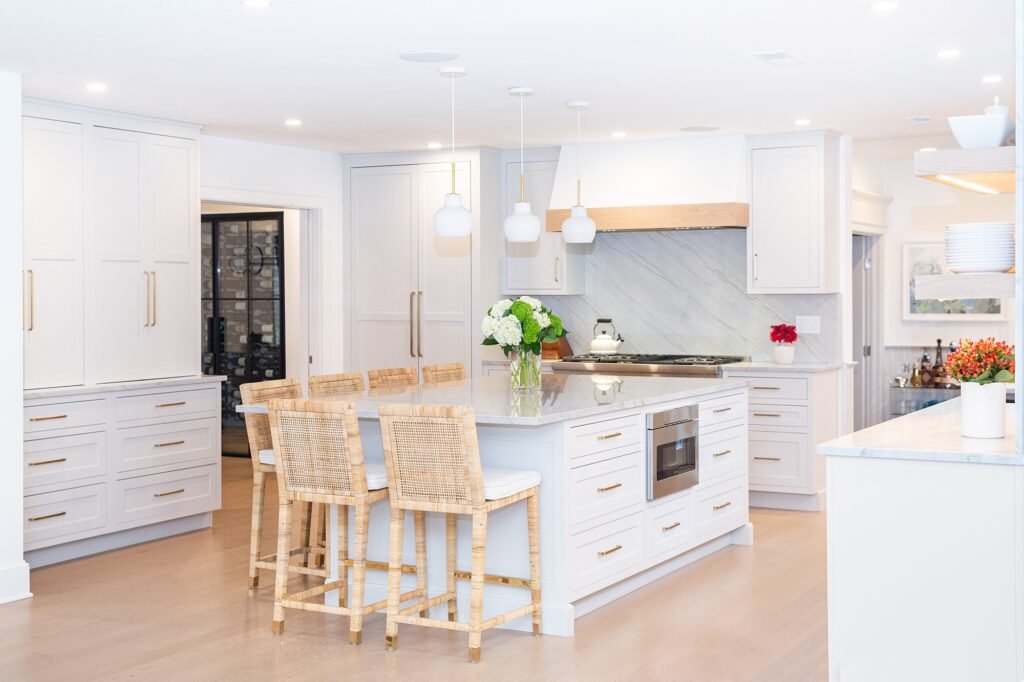
Island Layout: Recommended for large/open kitchens

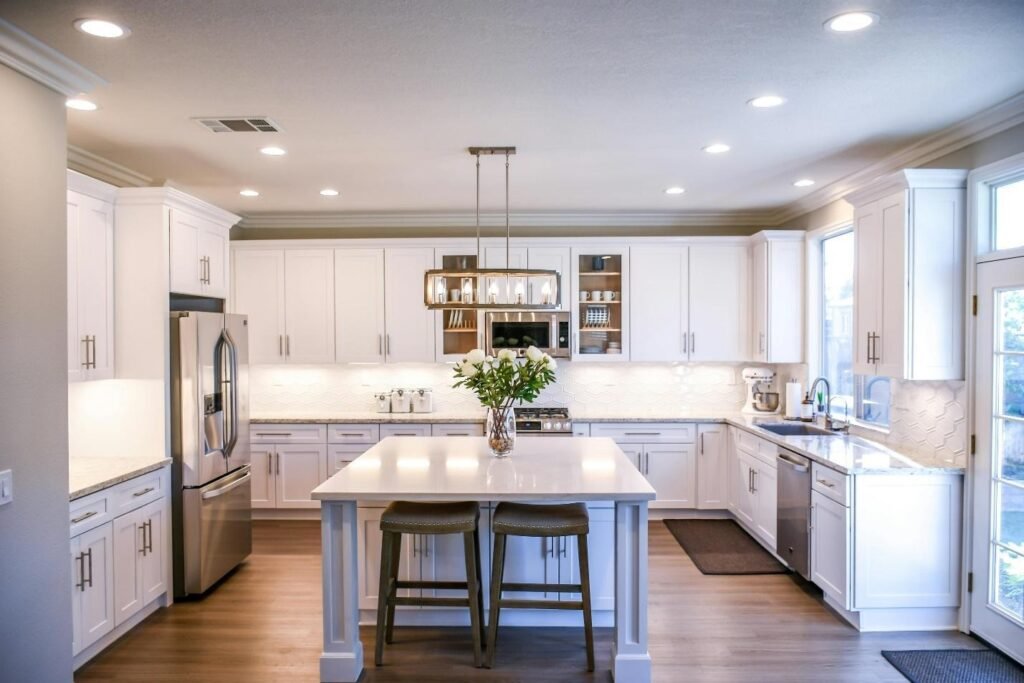
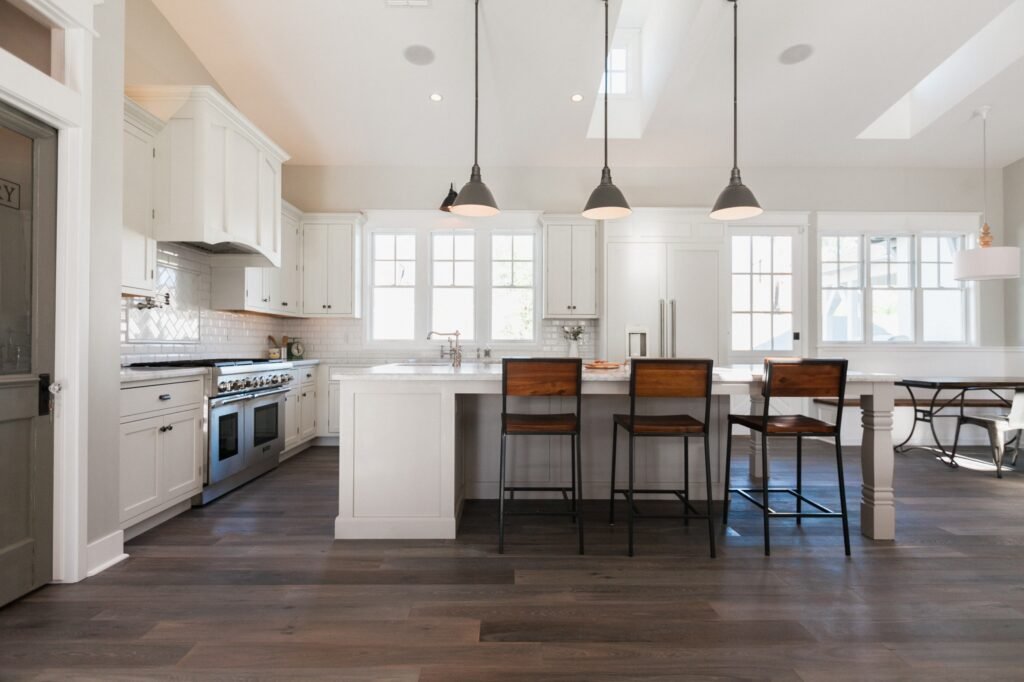
Q7: Should wall cabinets go all the way to the ceiling?

YES, absolutely.

Benefits:
✔ No dust buildup
✔ More storage
✔ Cleaner, unified look
✔ Visually increases room height

4. Hardware Configuration: The Key to a 10+ Year Lifespan

Q8: Do I have to choose imported hardware?

Focus on quality for essential hardware:

Drawer slides (30–45 kg load capacity)

Soft-close hinges

Pull-out organizers (304 stainless steel preferred)

Wall cabinet suspension systems

Imported brands (Blum, Hettich) offer excellent stability, but high-quality domestic hardware is also a solid option.

Q9: Do base cabinets need toe-kicks?

Yes—prefer aluminum toe-kicks, which offer:

Moisture resistance

Mold resistance

Anti-warping performance

A clean, modern appearance


5. Budget & Pricing: How to Spend Wisely

Q10: How are cabinet prices calculated?

Five key factors determine the cost:

Carcass material

Hardware grade

Countertop material

Door panel process

Functional accessories (pull-outs, spice racks, etc.)

Pricing systems:

Linear-meter pricing (commonly used in China)

Modular pricing (commonly used in Europe/US)

Q11: How do I get the best value when working with a limited budget?

Budget priority ranking:

Hardware (durability)

Countertop (daily use impact)

Carcass moisture resistance

Door panel appearance

Pull-outs & accessories (can be added later)

6. International Shipping FAQ (For U.S., Australia & Canada Clients)

Q12: Should cabinets be shipped flat-pack or pre-assembled?

Both have pros and cons:

Flat Pack (Recommended): Lower shipping costs, reduced damage risk

Pre-assembled: Faster installation, suitable for areas with high labor costs

Q13: How are cabinets protected during shipment?

Protection methods include:

Thickened carton boxes

Foam / shock-absorbing boards

Corner protectors

Wooden pallets or wooden crates for reinforcement

Q14: Do the materials meet U.S. environmental standards?

Available certifications include:

E1 / E0 / ENF
Suitable for North American building requirements.

7. Installation & After-Sales: Inspection Matters

Q15: What should be prepared before installation?

Confirm plumbing & electrical points

Confirm size of range hood & sink

Ensure floor levelness

Conduct final on-site measurement

Q16: How long does installation take?

Typically 4–8 hours
If countertops, appliances, or hardware tuning are included, it may take 1–2 days.

Q17: What should I check during final inspection?

Key checkpoints:

✔ Door alignment & even gaps
✔ Smooth drawer sliding
✔ Countertop seams & cutout condition
✔ Leak-free plumbing
✔ Clean, complete edge banding
✔ Smooth operation of pull-out accessories

8. Lifespan & Maintenance

Q18: How long can cabinets last?

High-quality cabinets typically last 10–20+ years, depending on:

Material quality

Hardware grade

Usage frequency

Humidity & maintenance habits

#cabinetbuyingguide#kitchencabinetFAQs#cabinetmaterialselection#hardwareselection#kitchendesignguide#countertopoptions#cabinetlayouts#cabinetpricing#customkitchencabinets#overseascabinetorders#cabinetshipping#cabinetinstallationchecklist