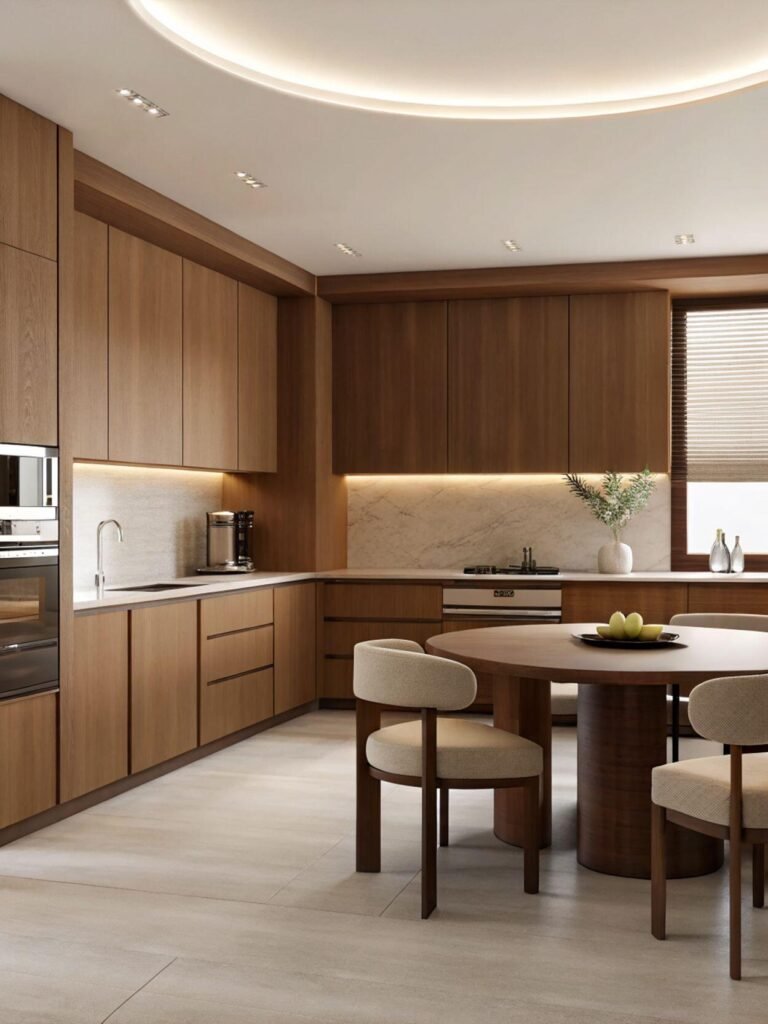
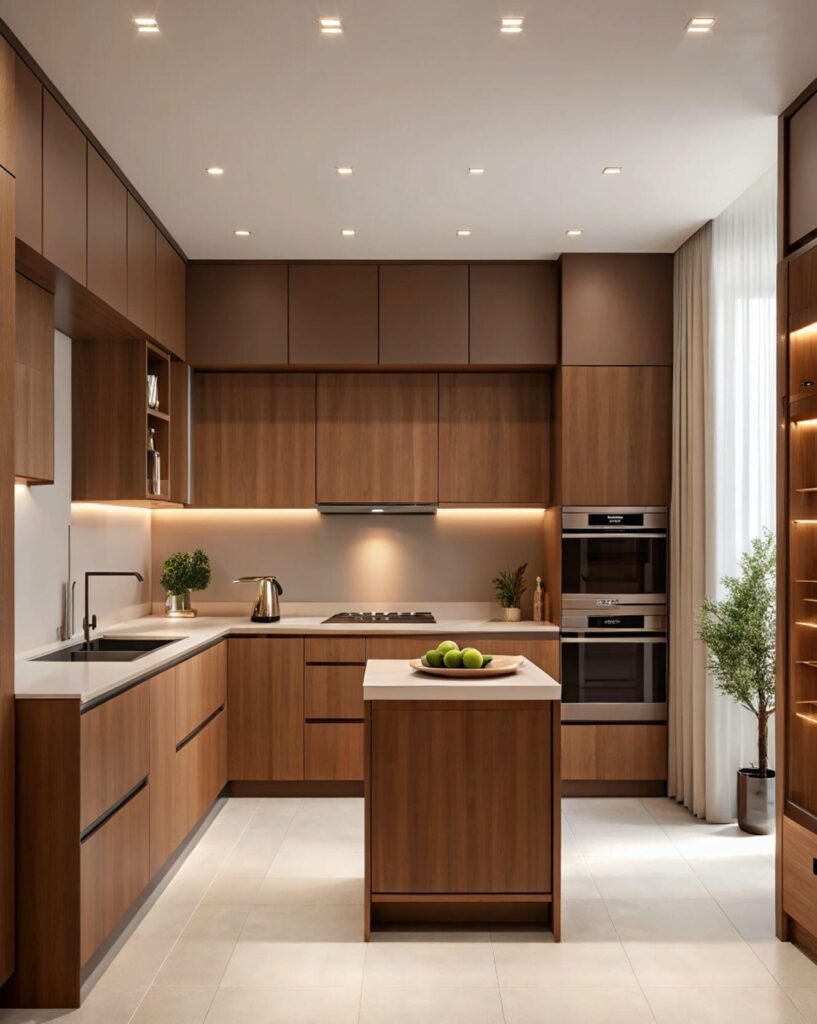
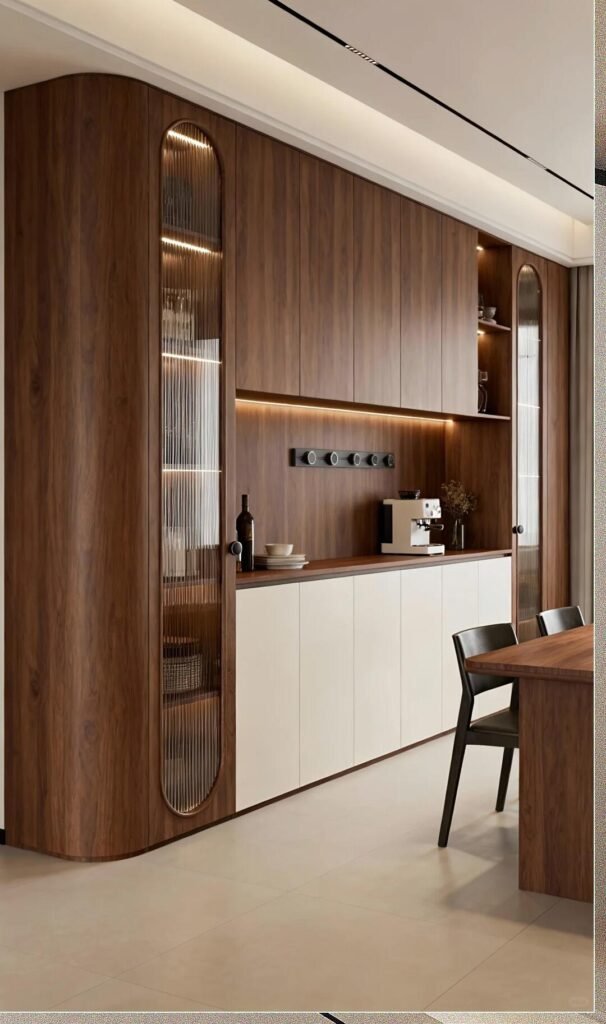
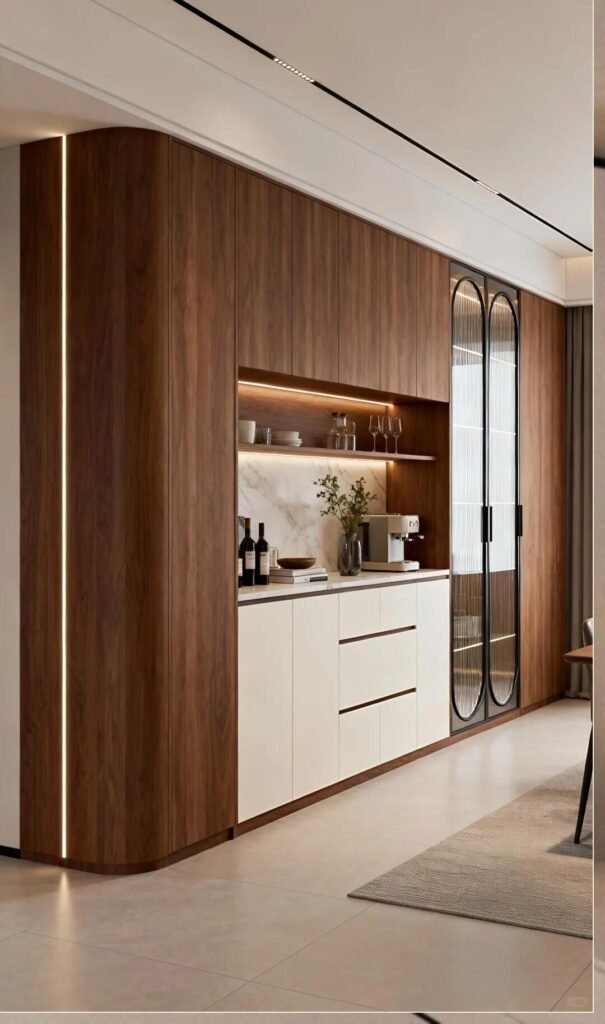
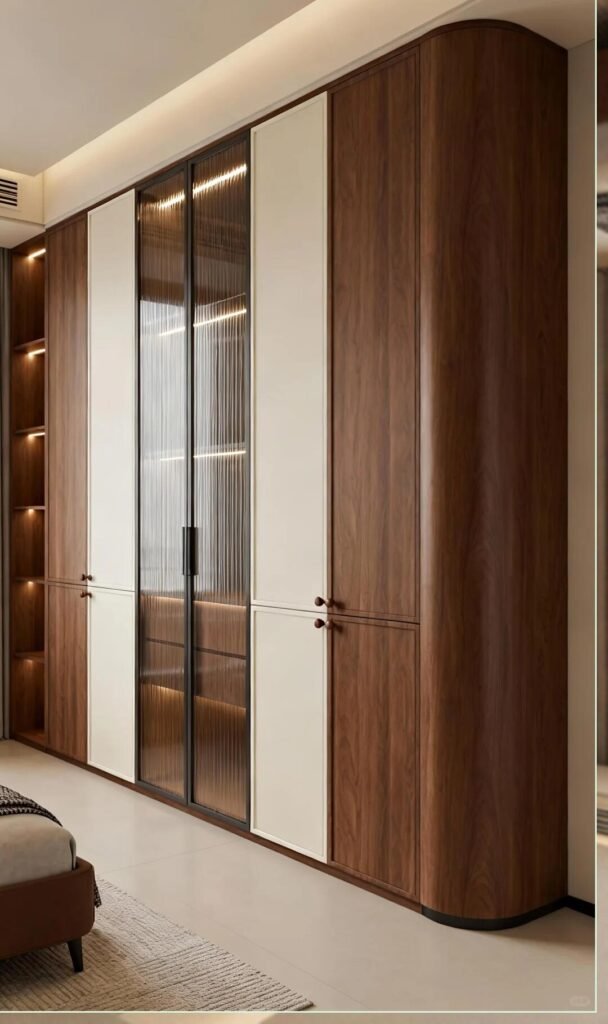
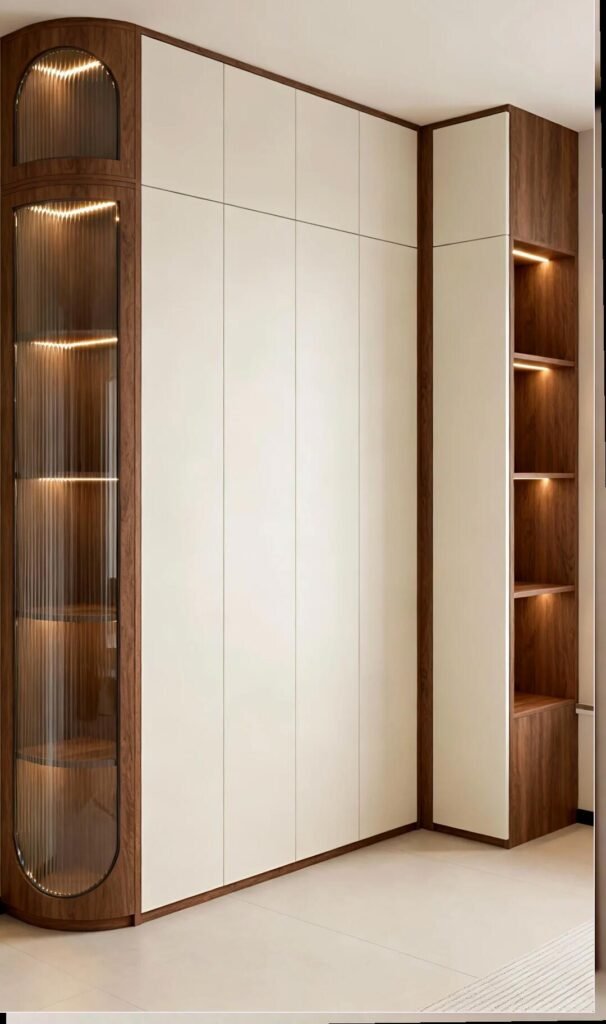
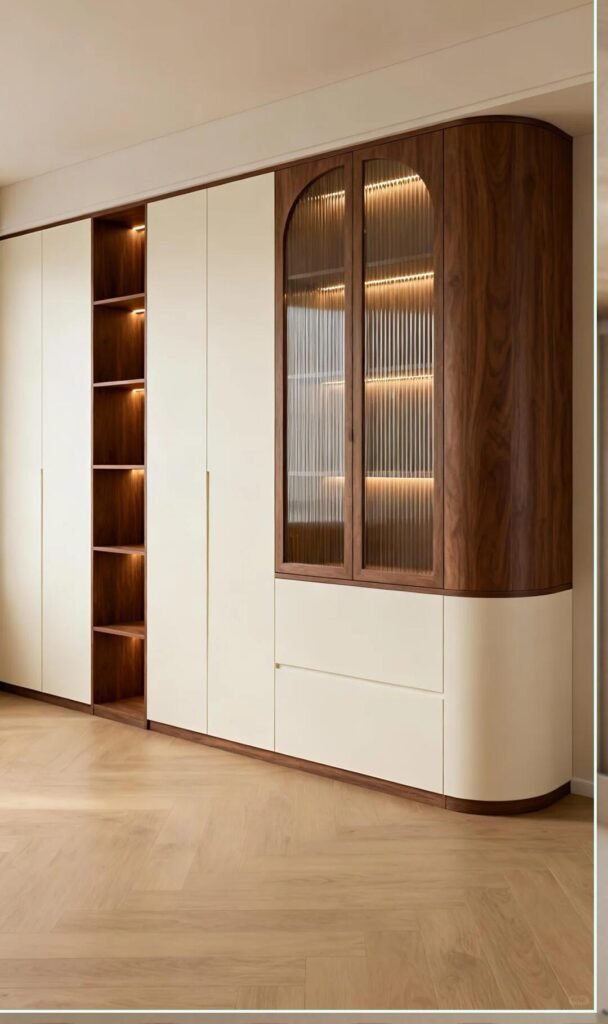
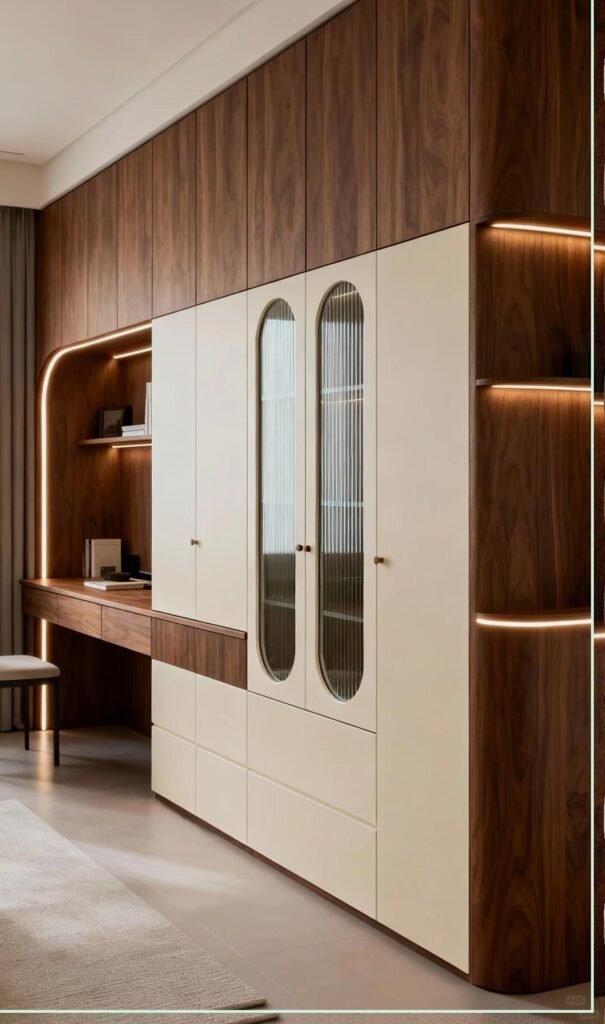
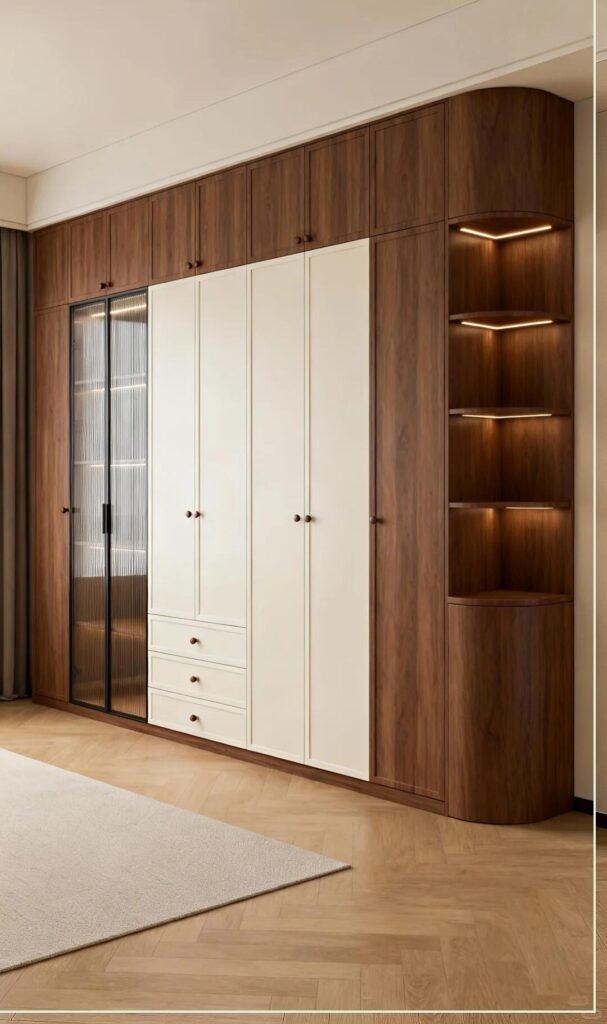
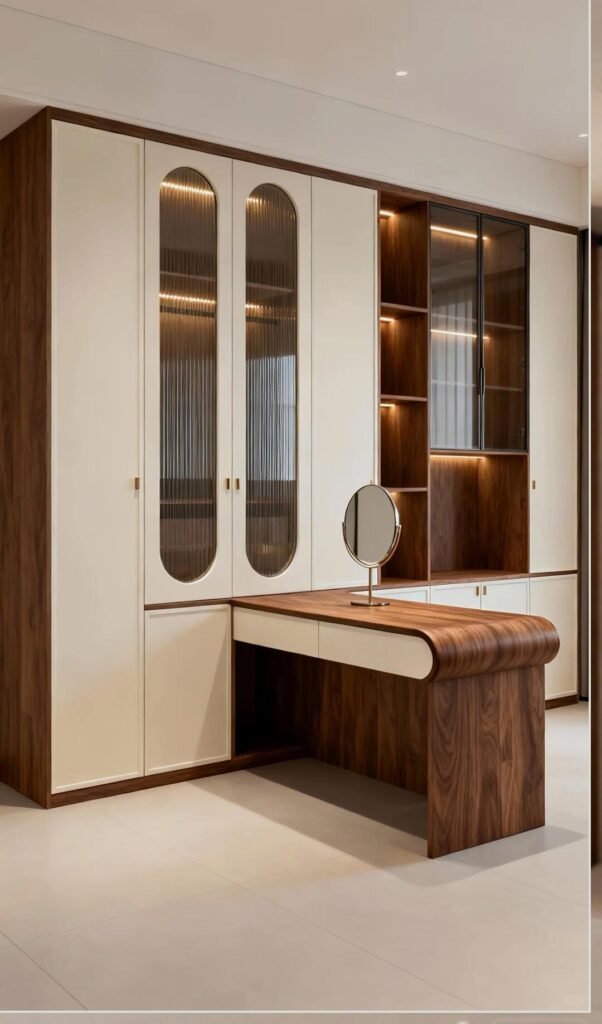
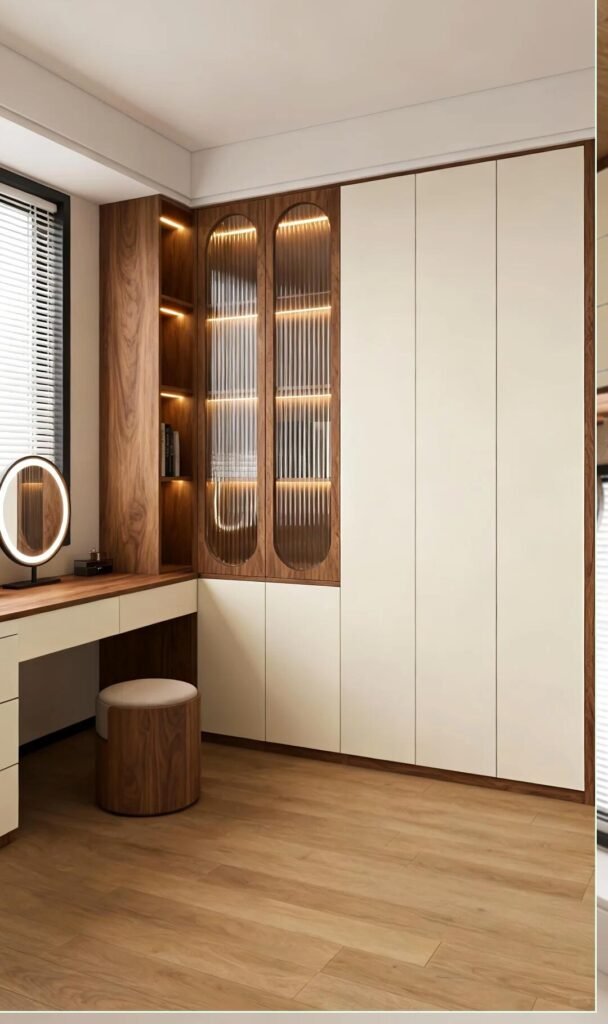
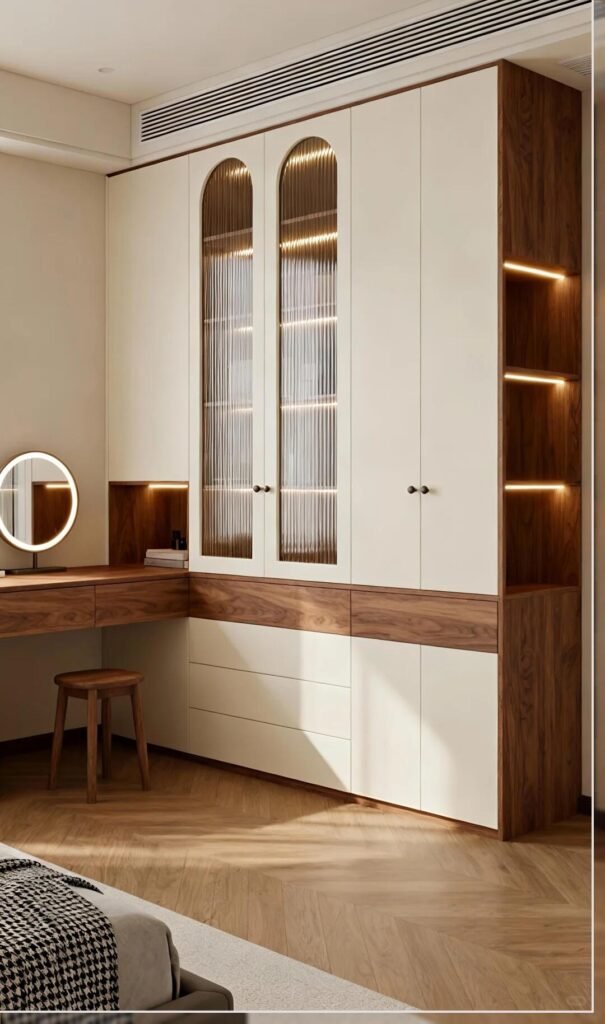
Six Cognitive Pitfalls in High-End Integrated Door, Wall & Cabinet Systems
Six Cognitive Pitfalls in High-End Integrated Door, Wall & Cabinet Systems
By Decorvista Cabinet 01/08/2026
A Systematic Delivery Guide for Builders and Private Homeowners
From Visual Trend to Spatial System Engineering
In today’s Luxury Residential construction landscape, Integrated Door, Wall & Cabinetry Systems have long moved beyond a stylistic or aesthetic choice. They have evolved into a fundamental logic of spatial design and delivery.
This system is not merely about “looking good.” It represents a highly coordinated engineering process involving architectural modules, material science, manufacturing precision, and on-site construction alignment.
Yet in many real-world projects, we observe a recurring outcome: high investment, but a final result marked by imbalanced proportions, fragmented textures, and crude detailing—often perceived as a “cheap, over-assembled look.”
The issue is not the concept itself, but a gap in professional understanding.
This article systematically examines six of the most common—and most costly—cognitive pitfalls in high-end integrated door, wall, and cabinetry customization, helping builders and private homeowners establish a truly executable delivery standard.
Pitfall 1 | Same Finish Color ≠ System Integration
Common Assumption Using the same color code for doors, walls, and cabinets is considered “integration.”
Technical Reality Different material categories—solid wood, engineered panels, lacquered surfaces, laminated finishes—have varying absorption and reflectance properties. Combined with production batch variations, this often results in metamerism, where colors appear inconsistent under natural, warm, or side lighting conditions.
Professional Standard The “Same-Source Customization” Principle
One unified surface system
One coating or lamination process
One controlled gloss and color-gamut standard
True high-end customization replaces simple color matching with full-project color-space management.
Pitfall 2 | Product Density ≠ Spatial Order
Common Assumption The more wall surface covered, the stronger the sense of unity.
Technical Reality Ignoring alignment logic leads to:
Misaligned cabinet reveals, door trims, and baseboards
Inconsistent handle heights and joint rhythms
Excessive visual noise
Professional Standard Linear Continuity Logic
Integration is not about coverage—it is about modular alignment:
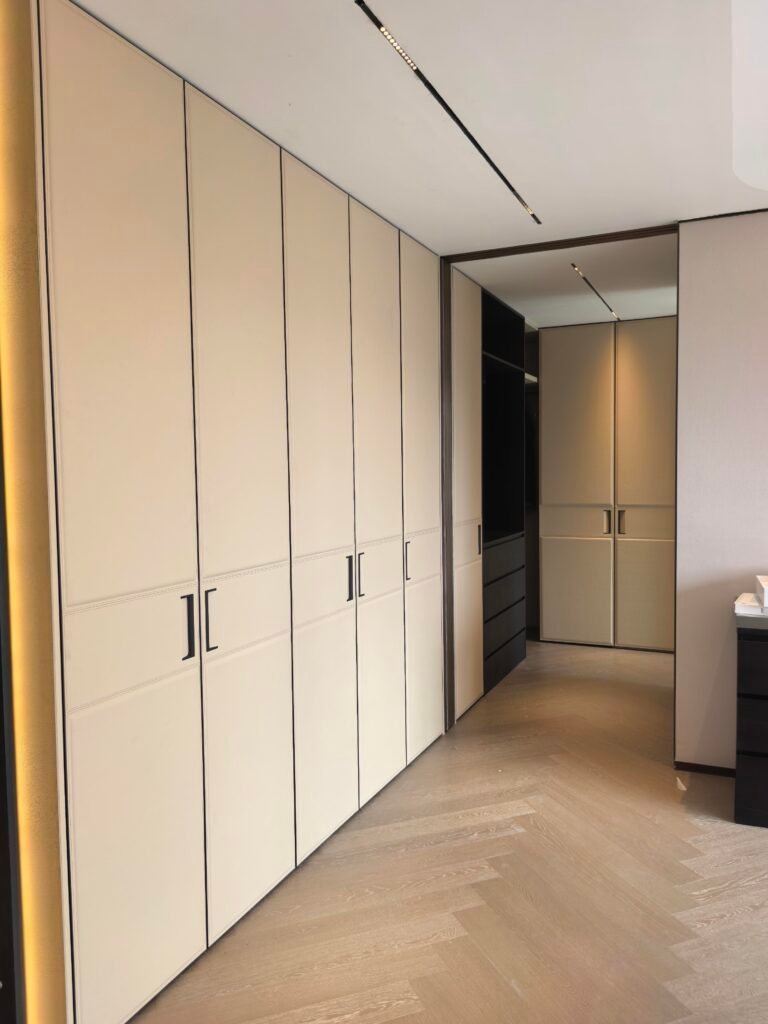
Cabinet joints, wall panel divisions, and door heights follow a unified proportional system
Lines are concealed, extended, and aligned to redefine spatial scale
Order is the prerequisite of sophistication.
Pitfall 3 | Isolated Door Systems ≠ Spatial Integrity
Common Assumption Interior doors can be treated as standalone products and added later.
Technical Reality
Door leaf thickness fails to align with wall panels
Door frames disrupt elevation rhythm
Concealed doors crack or deform due to structural instability
Professional Standard Door–Wall Symbiotic Systems
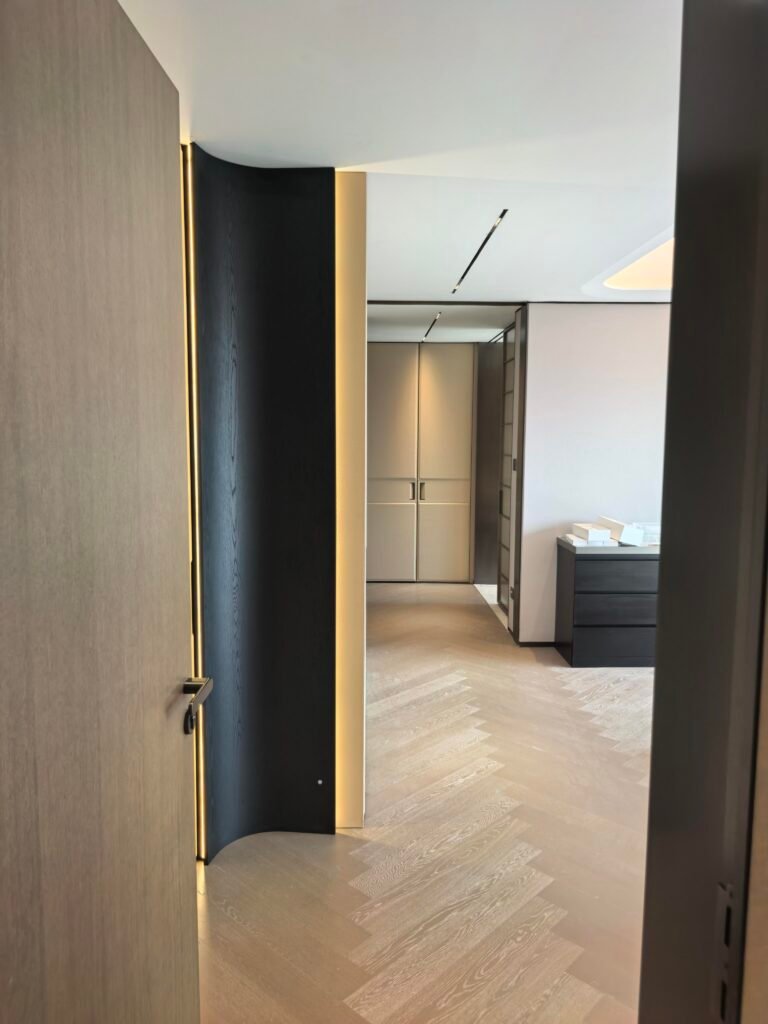
In a high-end integrated system, doors are not accessories—they are dynamic extensions of the wall plane.
Door-wall relationships defined at the design stage
Concealed hinges coordinated with structural pre-embedding
Millimeter-level co-planar delivery across surfaces
Pitfall 4 | Visual Impact ≠ Craftsmanship Quality
Common Assumption Impressive renderings guarantee premium execution.
Technical Reality
Irregular joints concealed with sealant
Glue overflow and chipped edges
Harsh corner transitions
These defects become highly visible after occupancy, quickly undermining perceived quality.
Professional Standard Micro-Joint Engineering
True luxury lies in “invisible connections”:
Laser edge banding
PUR bonding systems
45-degree seamless miters
Concealed termination structures
The highest level of craftsmanship is felt—not seen.
Common Assumption Integrated systems can be finalized after electrical and carpentry work.
Technical Reality
Wall verticality exceeds tolerance
Door openings cannot support concealed systems
Thick cover panels are added as visual compensation
Professional Standard Early-Stage System Coordination
Integrated door-wall-cabinet systems must intervene at the bare-structure stage:
Wall squaring and leveling
Structural pre-embedding of openings
Early locking of thickness and module dimensions
Every “invisible” result relies on earlier structural preparation.
Pitfall 6 | Maximum Coverage ≠ Spatial Value
Common Assumption More material equals higher value.
Technical Reality
Oppressive interiors
Reduced living comfort
Significantly higher long-term modification costs
Professional Standard The Philosophy of Solid–Void Balance
High-end customization values proportion over surface area:
Rhythmic contrast between wood, stone, leather, and metal
Depth created through differences in reflectivity and tactility
Strategic negative space as an essential luxury element
From Product Thinking to System Value
For builders, integrated systems enhance delivery efficiency, quality consistency, and project premium potential.
For private homeowners, they define long-term living order, aesthetic longevity, and authentic comfort.
Our position is clear:
True high-end integration relies on invisible systems to support visible minimalism.
If a proposal focuses only on materials, not structure; on unit pricing, not lifecycle cost— it remains a surface-level imitation, not a true system solution.