
Industry Consensus: Renderings win the client’s heart, but Shop Drawings determine whether a project can actually be realized—and whether the team remains profitable.
01. The Pitfalls: Why Do Luxury Projects Fail?
In the realms of high-end residential custom millwork and Integrated Door-Wall-Cabinet (IDWC) systems, many projects fall short not because the design wasn’t beautiful, but due to a lack of a robust Shop Drawing System:
Manufacturing Disconnect: Drawings that cannot directly guide factory production.
Illogical Dimensions: Unclosed dimension chains leading to on-site cutting and rework.
Coordination Blind Spots: Failure to integrate millwork with MEP (Mechanical, Electrical, Plumbing), stone, and lighting, causing constant on-site conflicts.
Delivery Disasters: Installation difficulties and schedule delays that drain the builder’s profit and disappoint the client.
At Decorvista, we understand that true professionalism means using shop drawings to eliminate installation issues before production even begins.
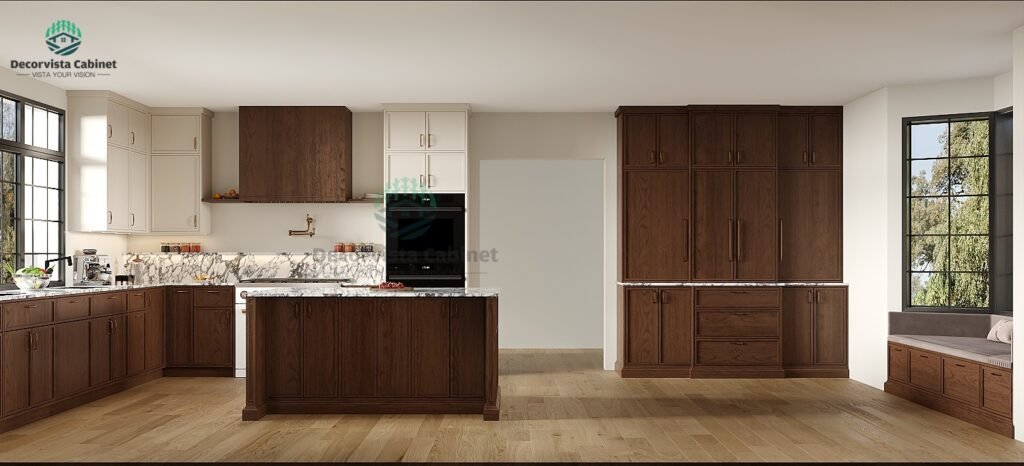
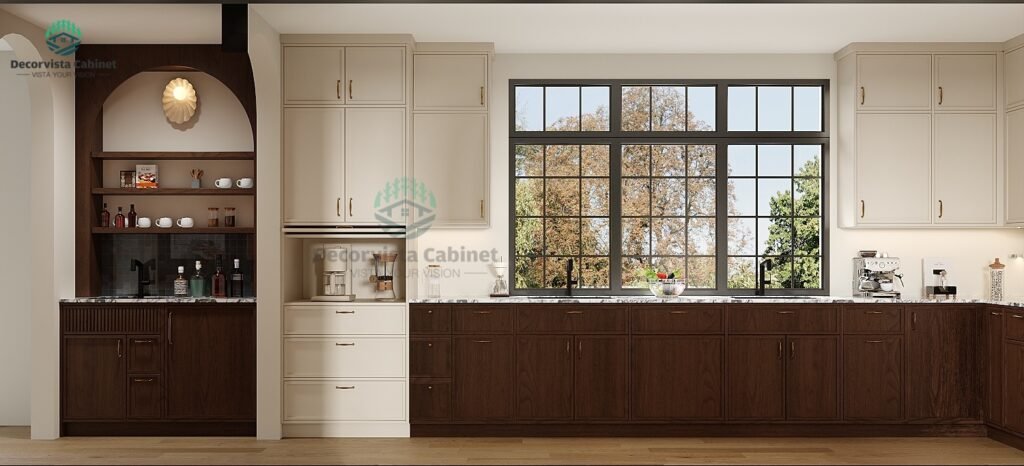
02. Defining the Standard: What Makes a “Professional” Millwork Shop Drawing?
For us, shop drawings are not just “internal factory documents.” They are an operating system that precisely translates Design Language into Manufacturing Language.
The 5 Dimensions of Professional Shop Drawings
| Core Standard | Primary Purpose | Deep Value |
| Readable | Multi-party Synergy | Ensures the Builder, Factory, and Installers all “read the same map.” |
| Accurate | Eliminating Errors | Based on rigorous Field Measurements to avoid rework caused by dimension drift. |
| Manufacturable | Technical Alignment | Drawing logic directly drives CNC machining, edge banding, and production workflows. |
| Installable | Execution Assurance | Pre-considers elevator dimensions, transport modules, and on-site leveling/shimming. |
| Coordinated | System Integration | Locks in the relationships between millwork and MEP, lighting, stone, and hardware. |
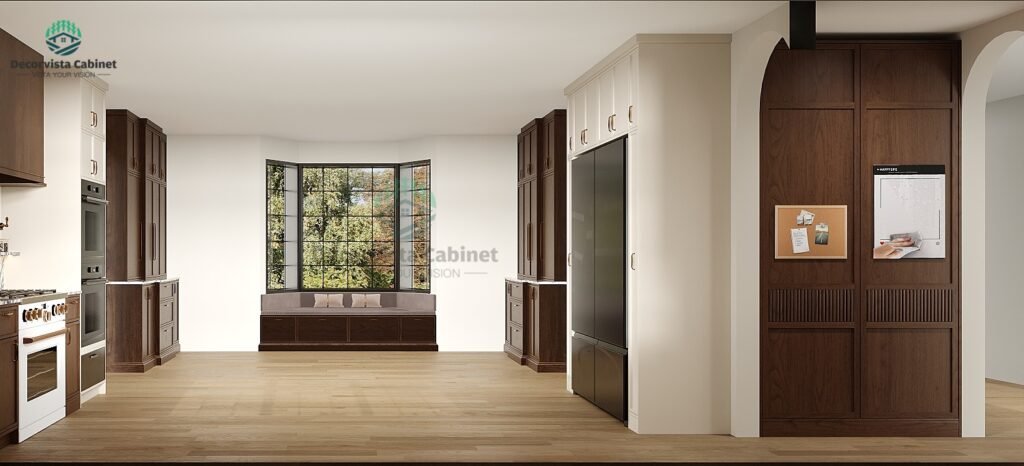
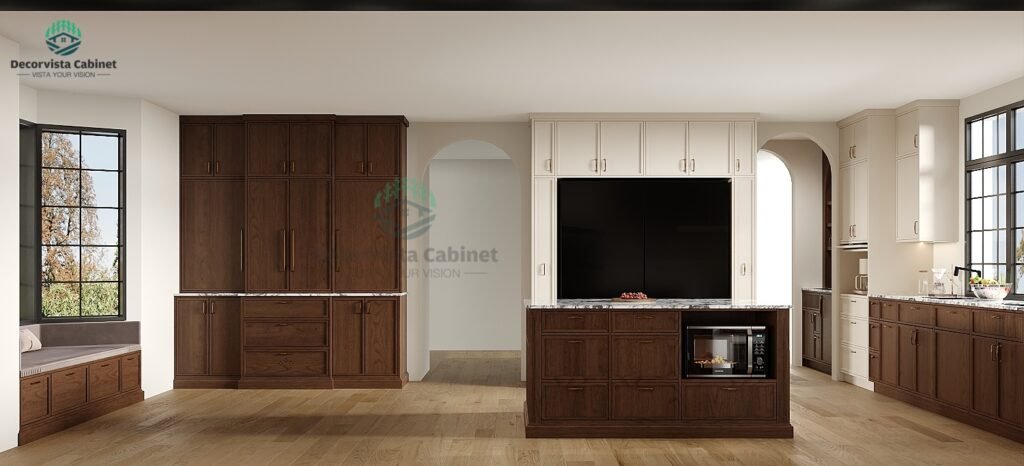
03. Inside the Drawing Package: More Than Just a Pretty Picture
In high-end projects, the drawing package is often more extensive than the rendering set because luxury is defined by the precision of execution.
1. Plan View — The Foundation of Spatial Logic
More than just furniture placement; it locks in traffic flow, modular logic, door swings, appliance positioning, and the Centerline System. In kitchen projects, the relationship between the island, fridge, and dishwasher must be locked at the millimeter level here.
2. Elevation — The Guardian of Visual Order
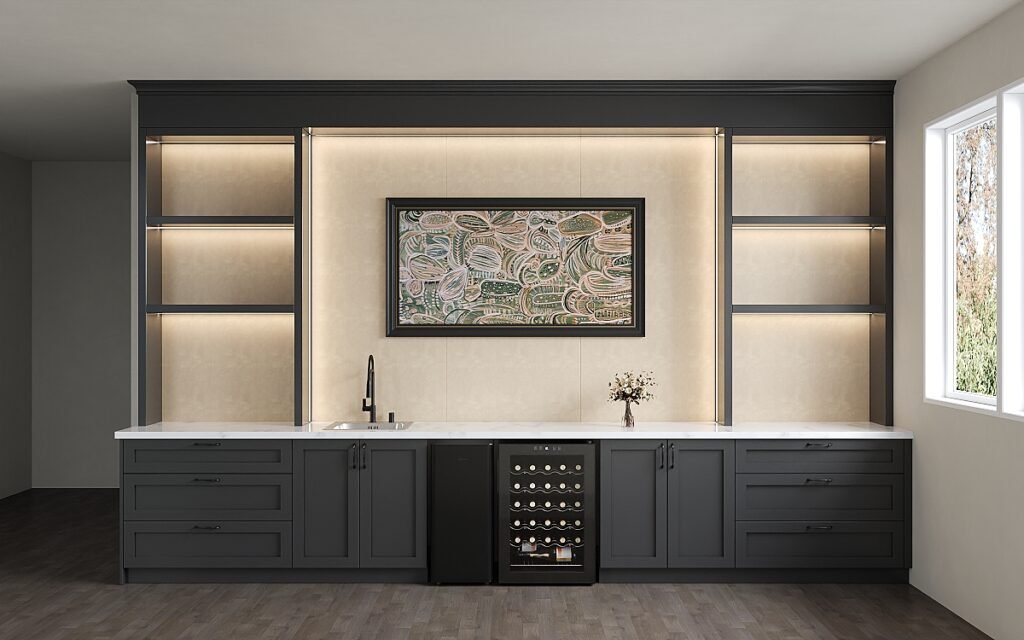
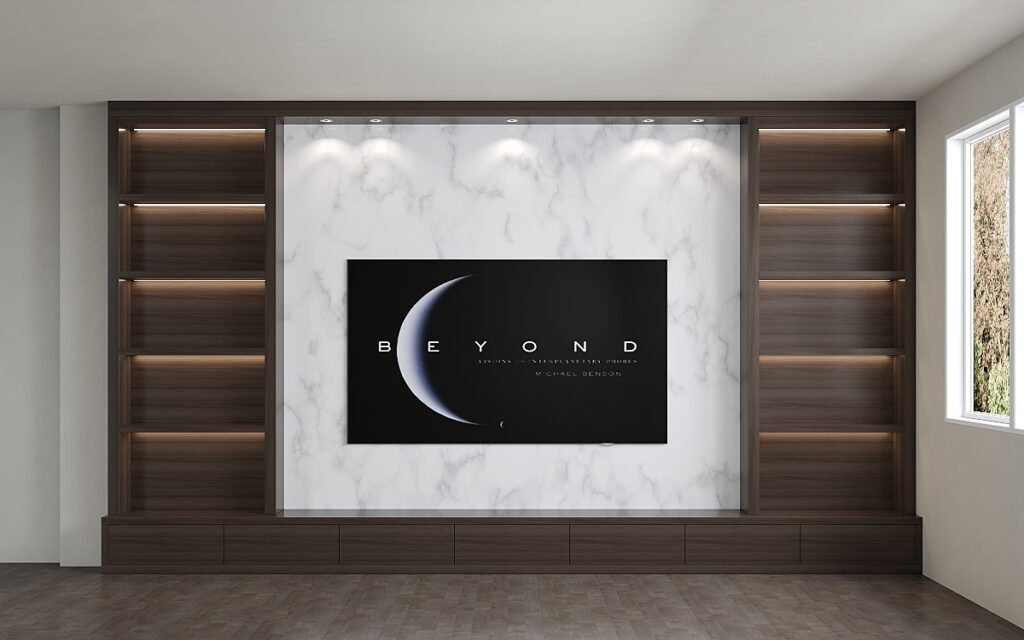
The core lies in “Line Control.” We ensure door gaps are consistent, wall panels align perfectly, and lighting tracks are continuous. This creates a systematic sense of “High-End” where the door, wall, and cabinet appear as a single, unified entity.
3. Section — The Antidote to Installation Chaos
Elevations show “what it looks like”; Sections show “how it’s built.” We define internal structures, mounting methods, blocking/furring, and leveling schemes. Mature millwork firms prioritize Section Drawings above all else.
4. Section Details — The “Watershed” of Professionalism
How does a hidden door transition to the wall? How is a cantilevered structure supported? How do wood, stone, and metal meet? Detail precision determines the longevity and “architectural feel” of a space.
5. Hardware & Finish Schedules — The Anchor of Standards
We lock in specific hardware models, swing types, wood grain direction, and finish standards—refusing to leave these decisions to “on-site intuition.”
04. Expert Perspective: 7 Key Technical Details for Millwork Success
Unified Dimensioning: Clearly distinguish between Finished Dimensions and Rough Openings.
Unique Labeling System: Every panel, hardware piece, and joint has a unique ID to prevent confusion during revisions.
Installation-First Principle: Before drawing, we ask: Can it fit in the elevator? Can it be serviced later?
Early MEP Integration: Pre-coordinate outlets, LED drivers, and HVAC diffusers within the millwork.
Scientific Tolerances: We admit the reality of construction by pre-calculating 3–5mm wall tolerances.
Visual Communication: Using texture hatching and clear annotations so even non-CAD professionals (like Builders or Clients) can understand the intent instantly.
Standardized Asset Library: Utilizing a proven library of joints and hardware systems to ensure consistent quality.
05. The Future: From “Draftsman” to “Engineering Specialist”
Beyond 2026, the industry is shifting from “experience-based construction” to a Design → Engineering → Manufacturing Integration.
Decorvista is leading this digital trend:
CAD-to-CNC Linkage and Parametric Modeling.
BIM Coordination and Digital Submittals.
AR-Assisted Installation and Digital Quality Control.
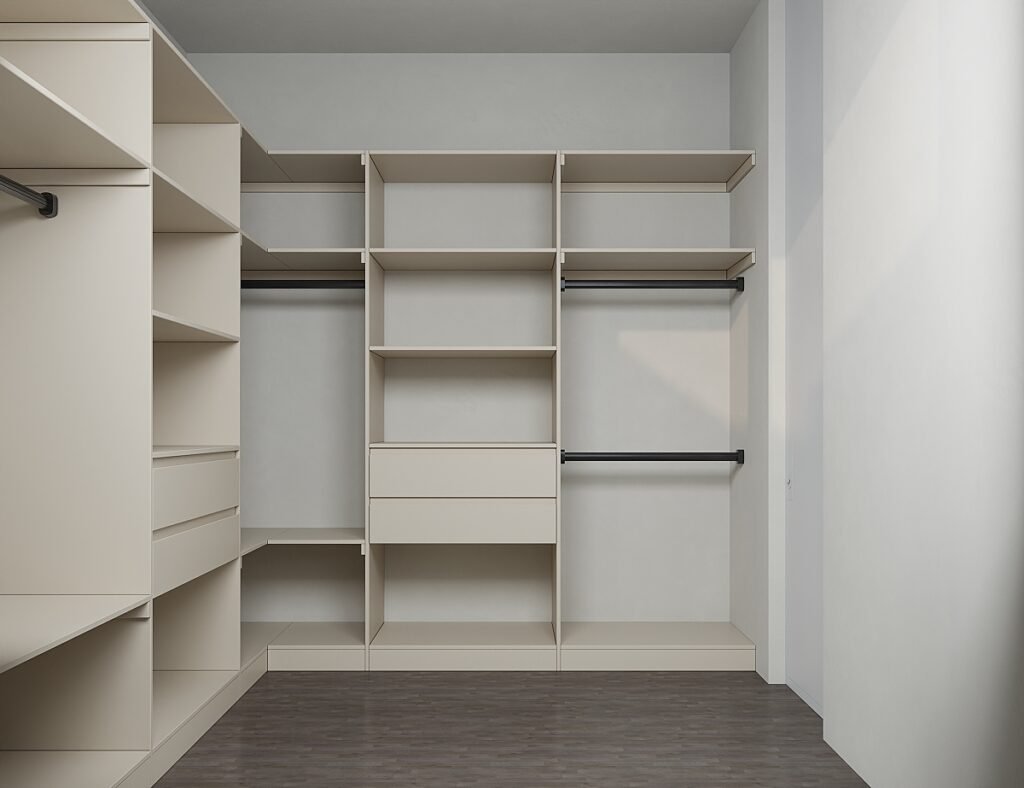
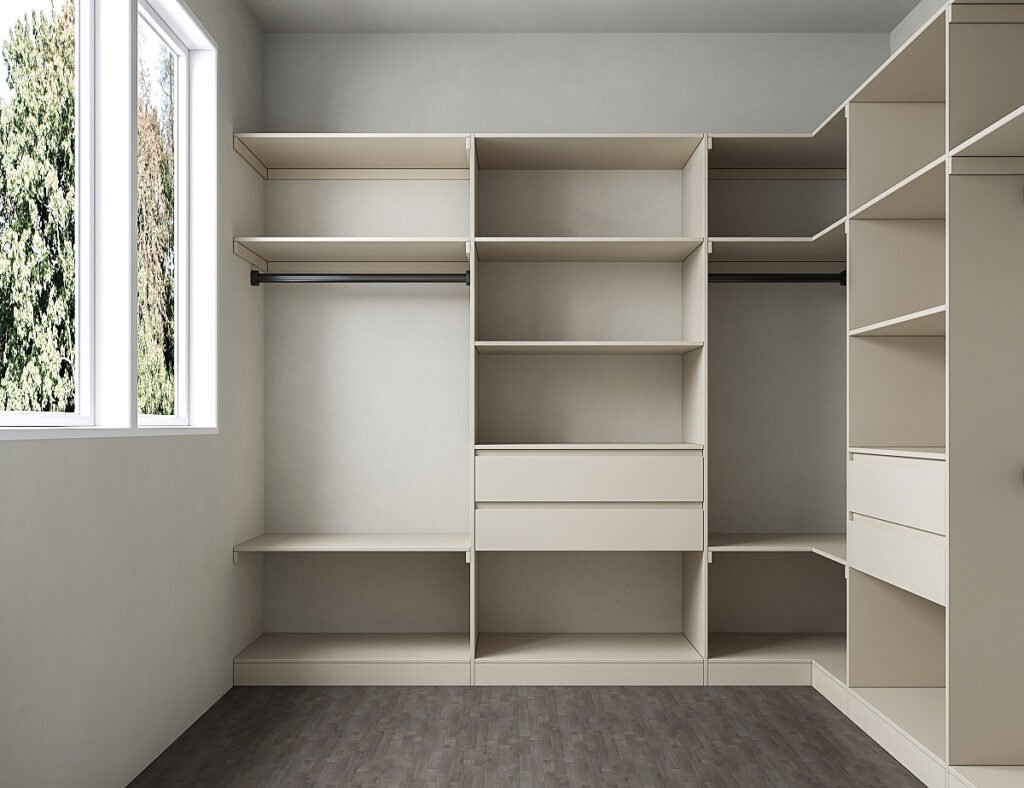
Professional Shop Drawings Are an “Engineering Mindset”
As industry experts suggest: A great millwork drawing = Precise Measurement + Detailed Sections + Unified Standards + Efficient Reuse.
At Decorvista, we believe: True value is not found in the fantasy of a rendering, but in the tangible texture of a project executed with absolute precision.
#Millwork#ShopDrawings#LuxuryMillwork#ArchitecturalMillwork#CustomMillwork#LuxuryInteriors#BespokeMillwork#IDWC#DoorWallCabinet#HighEndResidential#LuxuryKitchen#InteriorArchitecture#MillworkDesign#CustomCabinetry#WoodworkingDesign#LuxuryHomes#BuilderDesign#MillworkEngineering#InteriorDesign#LuxuryConstruction