
Building or buying a new home is one of the biggest decisions you’ll ever make. To avoid hefty future costs and unnecessary headaches, it’s crucial to be well-informed with key practical advice. Here are the core takeaways from community experiences, covering aspects like design, construction, functional upgrades, and cost management.
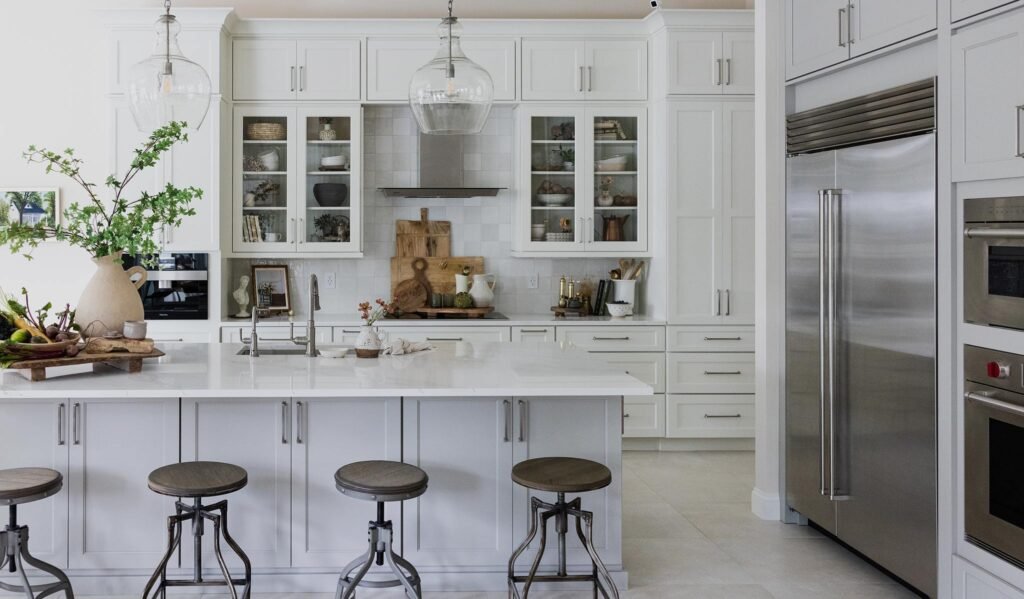
House Orientation & Passive Design: Your home’s orientation is key to energy efficiency. Ensure that living areas and kitchens face north (in the Southern Hemisphere) to maximize winter sunlight, and reduce west-facing windows to avoid summer overheating. Following passive design principles that leverage natural light and ventilation can significantly cut your future energy bills.
Functional & Multi-purpose Spaces: When planning, think beyond the present and anticipate your family’s needs for the next decade. For instance, separating bedrooms from common areas reduces noise, and an extra living room or bathroom can greatly increase comfort in a larger family. Many people recommend incorporating these needs during the initial build rather than dealing with costly extensions later.
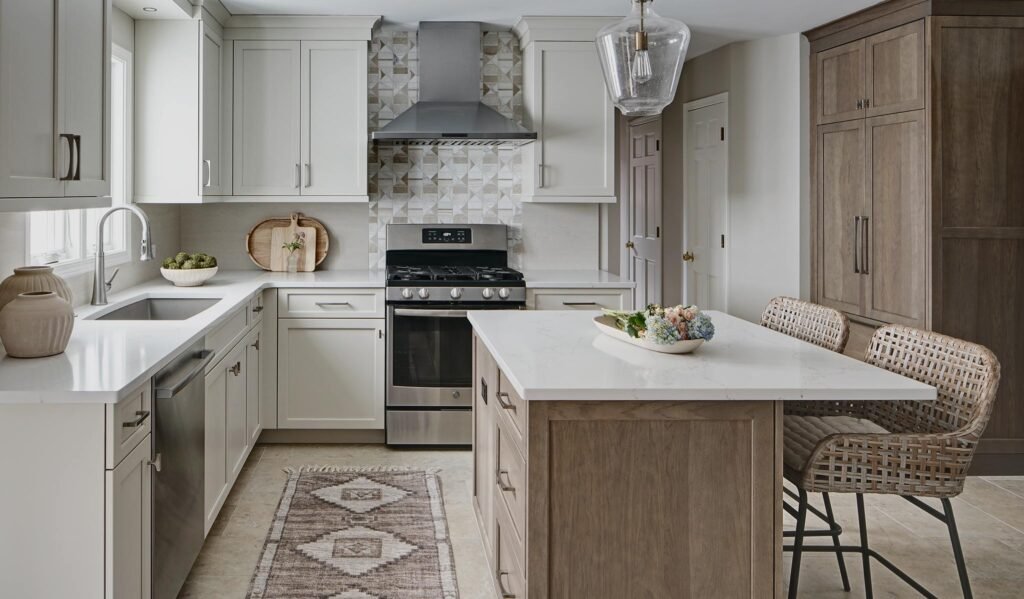
Insulation & Soundproofing: This is one of the most valuable upgrades you can make. Install the highest R-value insulation in the roof, walls, and floors, and add soundproofing to internal walls. While this might add a few thousand dollars to your initial cost, it will dramatically lower your heating and cooling expenses and make your home more comfortable year-round.
High-Quality Windows: Double-glazed windows are a must. They not only provide excellent insulation but also block out external noise. Be sure to choose appropriate frame materials; PVC or timber frames are better than aluminum, which conducts heat.
Solar System: Plan for the largest solar system possible from the start, and pre-wire for a battery. This allows you to maximize your use of daytime electricity and store excess power, which can significantly reduce or even eliminate your electricity bills in the long run.
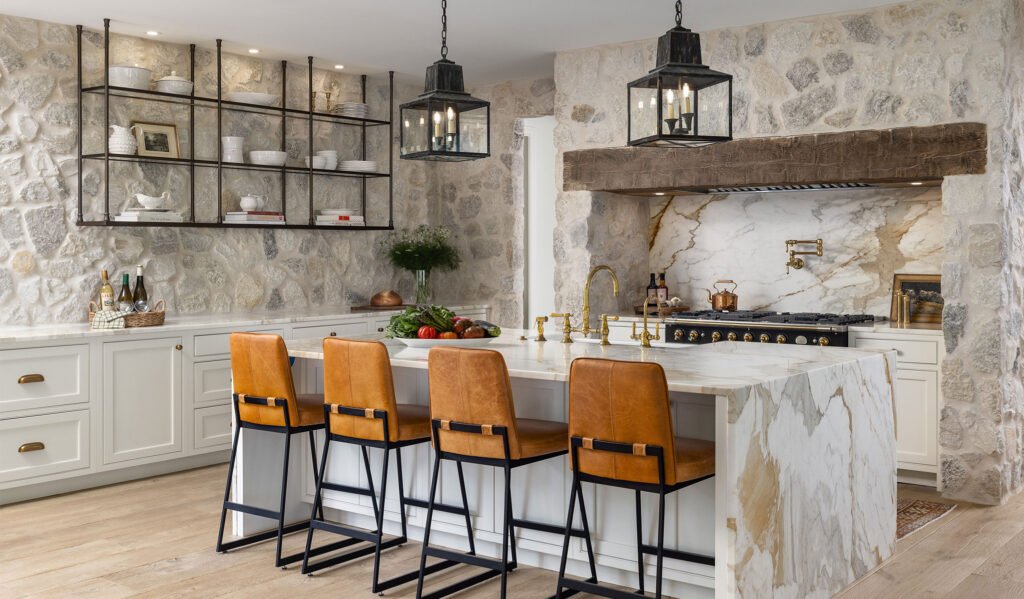
Ample Power Points & Network Cabling: A common regret is not having enough power outlets. Add extra points everywhere you might need them—kitchen counters, desks, bedside tables, storage closets, and outdoor entertainment areas. Additionally, it’s highly recommended to run Cat6 network cables to every room during construction. This provides a stable, wired backbone for smart homes and is far more reliable than relying on Wi-Fi signals.
Larger Fuse Box: A bigger fuse box provides convenience for future additions like more appliances, a solar system, or an EV charger, saving you the hassle of re-wiring and upgrading later.
Heated Floors: Heated floors in bathrooms are not a luxury. They keep the floor dry, prevent mold, and provide a comfortable feel while reducing the need for overall heating.
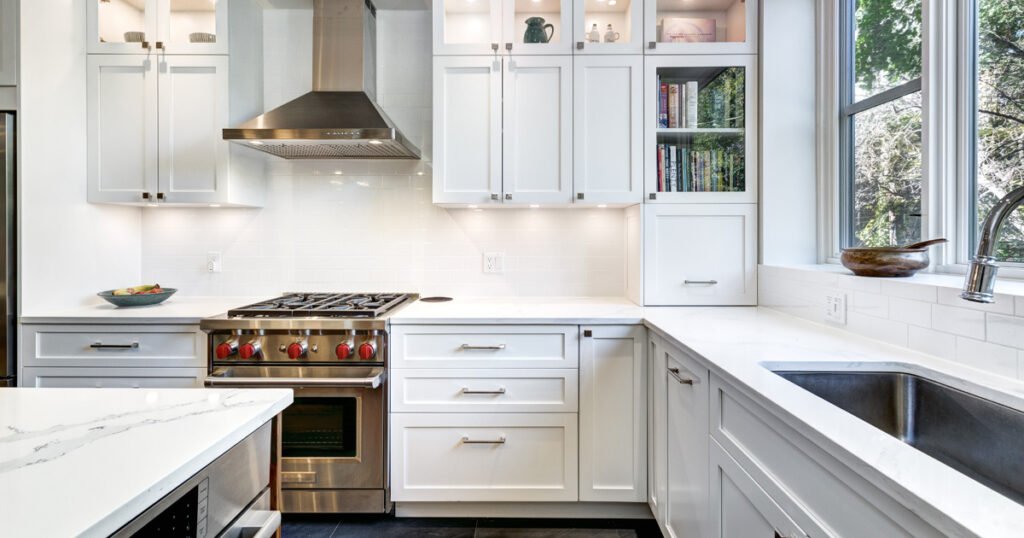
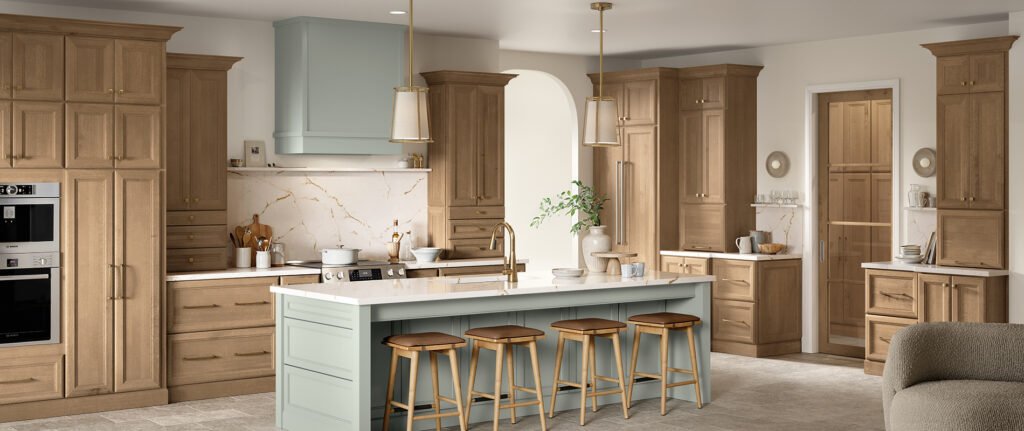
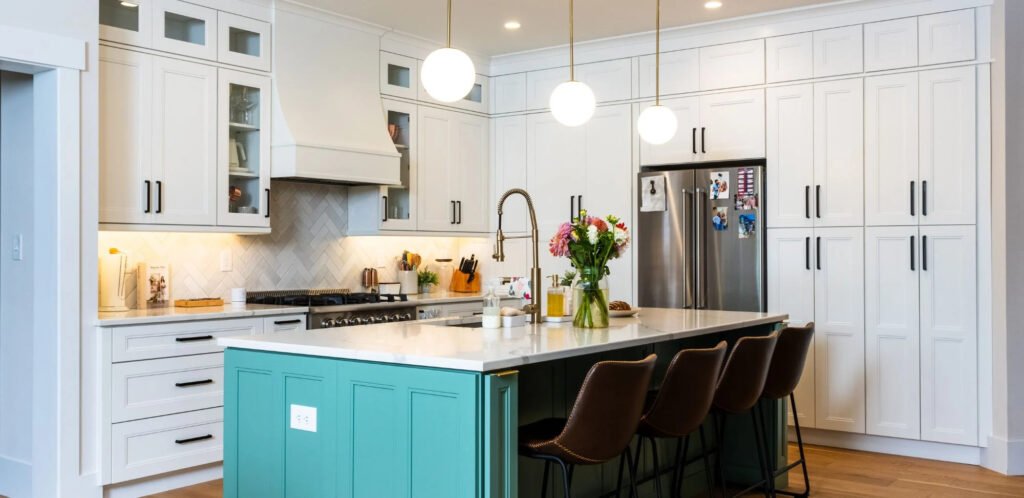
Instead of buying off-the-shelf furniture, consider custom whole-house cabinetry. This service allows you to use every inch of space efficiently, designing solutions tailored to your lifestyle and height. For example, using drawers instead of deep cabinets below kitchen benchtops makes items more accessible and is easier on your back.
Custom cabinetry can be designed to fit your floor plan perfectly, integrating smart features like pull-out storage, built-in bins, or even a hidden coffee bar. By choosing a reputable custom service, you can get a more flexible and efficient product at a reasonable price, avoiding the headache of later renovations.
Hire an Independent Inspector: Before making progress payments to your builder, it is crucial to hire an independent building inspector to conduct a thorough check. This ensures that the construction quality meets standards and helps you avoid hidden structural issues down the line.
Document Everything: Keep all verbal agreements and changes in writing, and maintain a complete file of all documents. This protects your interests and helps prevent disputes with the builder.
Budget for Outdoor Costs: The cost of a new home isn’t just the house itself. You must also budget for outdoor work like the driveway, fencing, retaining walls, and landscaping. Many people overlook these costs, leaving them with a barren yard after moving in.
Building a new home is a complex journey. By incorporating these practical tips during the early design phase, you’ll not only save time and money in the future but also create a truly comfortable, efficient, and lasting dream home.
#NewHomeBuildAustralia#BuildingTips#HomeRenovationAdvice#HouseDesign#EnergyEfficientHome#PassiveHouse#CustomCabinetry#SolarPanelInstallation#DoubleGlazing#Pre-ConstructionPlanning#HomeInspectionAustralia
CONTACT
Hangzhou DecorVista Cabinet
Whatspp/Phone: 86-158-6813-1904
Email: decorvistacabinet@gmail.com
Hangzhou DecorVista Cabinet
86-158-6813-1904
decorvistacabinet@gmail.com
Floor 2, Block 3,No.589 Shixiang Road, Gongshu district, Hangzhou City, Zhejiang Province, China