
When selecting new cabinets for your kitchen, have you ever run into these dilemmas?
You love the trendy designs you see online, but you worry about the quality and don’t want to repeat the mistake of “thin panels and flimsy drawer slides”?
You visit big-box home improvement stores but feel underwhelmed by the generic products and lack confidence in their durability?
You get a quote from a local custom cabinet maker, and the exorbitant price is an immediate dealbreaker?
What you really want is a cabinet that offers a balance of high quality, great looks, and value for money, not a “disposable” product that warps or falls apart after two years.
As a seasoned whole-house custom cabinet expert, I understand these pain points deeply. Today, I’ll use my professional insights to dissect three common misconceptions about choosing cabinets and share the secrets to making a smart decision.

This is a common cognitive bias. Cabinets on the market can be broadly categorized into three tiers:
Low-Cost Mass-Market Products (e.g., entry-level products from some big-box stores): The biggest selling points of these products are “fast” and “cheap.” They often use low-grade particleboard and poor-quality hardware. While they might work in the short term, they are prone to issues like warping, cracking, and loose hardware over time. For families who prioritize quality, this is not a wise investment.
Ready-to-Assemble (RTA) Semi-Custom (e.g., IKEA, online wholesale brands): These products focus on “value for money” and “high flexibility.” For example, IKEA’s cabinets are solid and use top-tier hardware like Blum, but the boxes are made of particleboard. Some online RTA brands offer plywood boxes but require the customer to assemble them. Their advantage is that they provide near mid-to-high-end quality at a lower price, but this requires significant DIY skill and comes with a certain installation risk.
High-End Custom (e.g., experienced local custom shops): High-end custom cabinets are expensive, but their value lies in superior materials, exquisite craftsmanship, and expert service. However, not all high-priced products are worth the money. Some “locally made” brands might simply assemble imported components, which makes their costs less transparent. True value lies in genuine materials, unique craftsmanship, and a hassle-free service from design to installation.
Our View: A cabinet’s true value is reflected in its materials, craftsmanship, and hardware. We are committed to using
transparent pricing and premium materials to build you a kitchen that is both aesthetically pleasing and built to last.
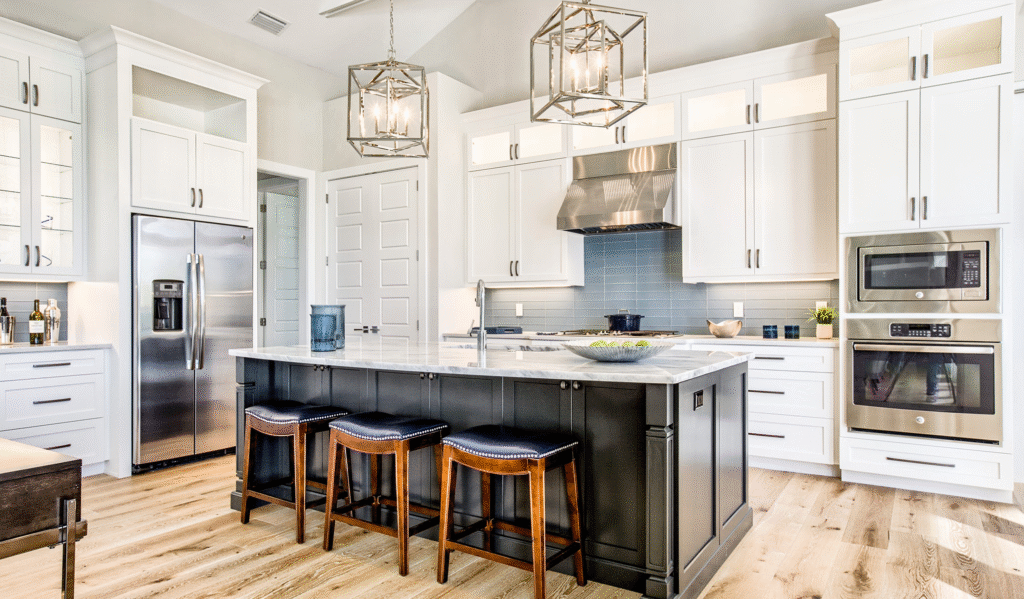
Many consumers believe that only solid wood cabinets are the best. But a professional will tell you that there are more scientific considerations when choosing cabinet materials:
For Cabinet Boxes:
Low-Grade Plywood: Some sellers claim to use “plywood boxes,” but if the material quality is poor, it can easily warp or delaminate due to humidity changes.
High-Density Particleboard (Melamine): High-quality particleboard, like that used by IKEA, has a stable structure, excellent moisture resistance, and is less prone to warping. In most cases, a high-quality particleboard box is more durable than a low-quality plywood one.
Our Choice: We select the most stable materials in the industry based on your budget and needs, ensuring our cabinet boxes are robust and durable, eliminating the risk of warping from the start.
For Cabinet Doors:
Solid Wood Doors: Solid wood is beautiful, but it has a natural “flaw”—it expands and contracts with changes in temperature and humidity. For painted cabinets, this can cause hairline cracks at the joints, affecting the appearance.
MDF (Medium-Density Fiberboard) Doors: MDF is stable and doesn’t crack, making it the best choice for painted doors. Paired with high-quality baked enamel or eco-friendly paint, it creates a smooth, durable, and flawless finish.
Our Promise: We offer a variety of door materials and will provide you with expert advice based on your style and budget, ensuring the final result is beautiful, durable, and stands the test of time.
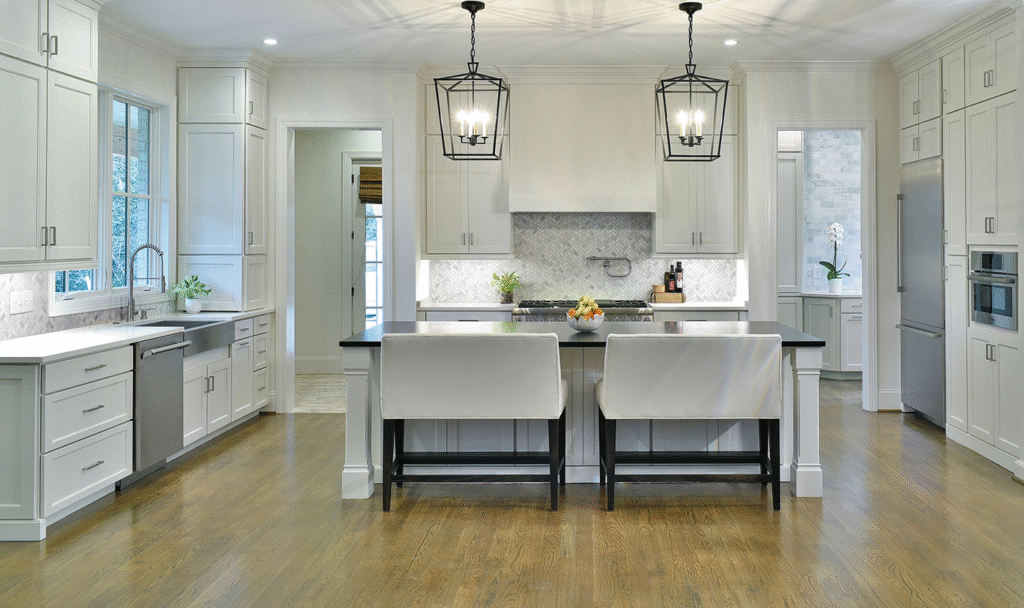
Hardware is the “soul” of a cabinet, determining its lifespan and ease of use. Cheap hardware will not only cause drawers to jam and doors to sag, but it will also be a constant source of frustration every time you use them.
Professional Recommendation: Both IKEA and high-end brands like Sollid trust professional hardware brands like Blum. Their drawer slides and hinges undergo rigorous testing to guarantee smoothness and durability.
Our Standard: All of our custom cabinets come standard with top-tier international hardware brands, ensuring every door and drawer operates smoothly, silently, and reliably.
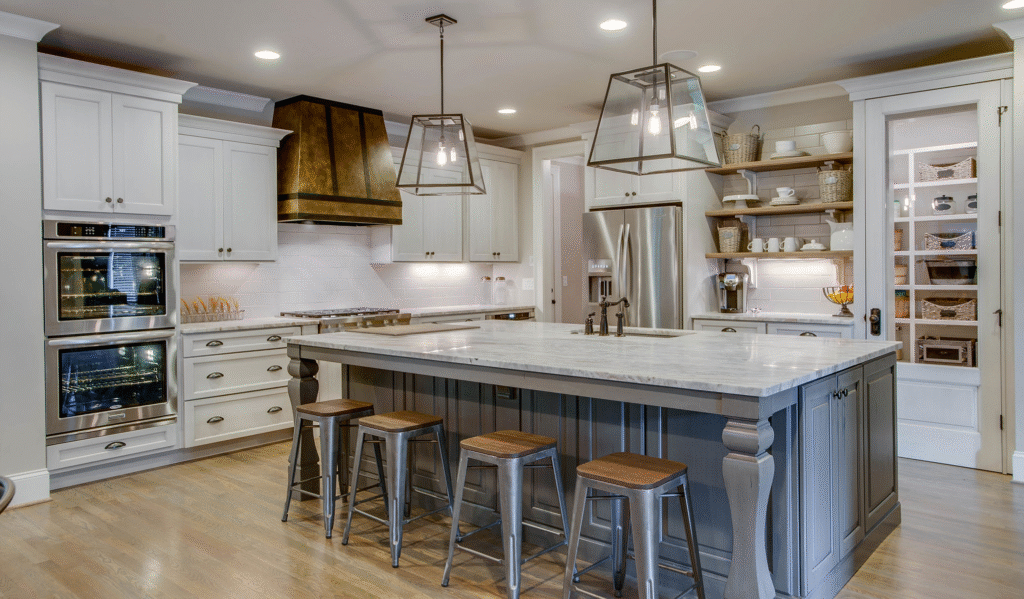
Final Advice:
When choosing cabinets, don’t just look at the price. Be sure to understand the materials, ask about the craftsmanship, and insist on branded hardware. If you’re still feeling lost about your cabinet choices, feel free to contact us. We will provide one-on-one professional consultations and guide you through our transparent design and quoting process to build you a truly high-quality, high-value dream kitchen.
Hangzhou DecorVista Cabinet
86-158-6813-1904
decorvistacabinet@gmail.com
Floor 2, Block 3,No.589 Shixiang Road, Gongshu district, Hangzhou City, Zhejiang Province, China