
When renovating a kitchen, the choice of cabinet material is crucial, as it determines the look, durability, and functionality of your cabinets. This guide will answer common questions about cabinet materials and related home products to help you make the best choice.
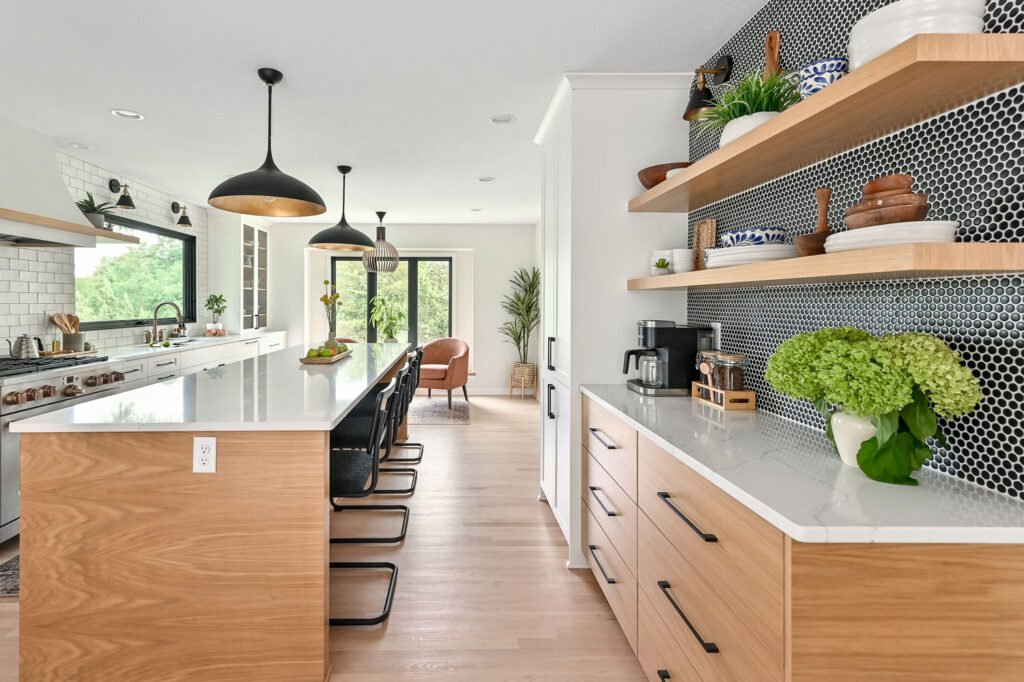
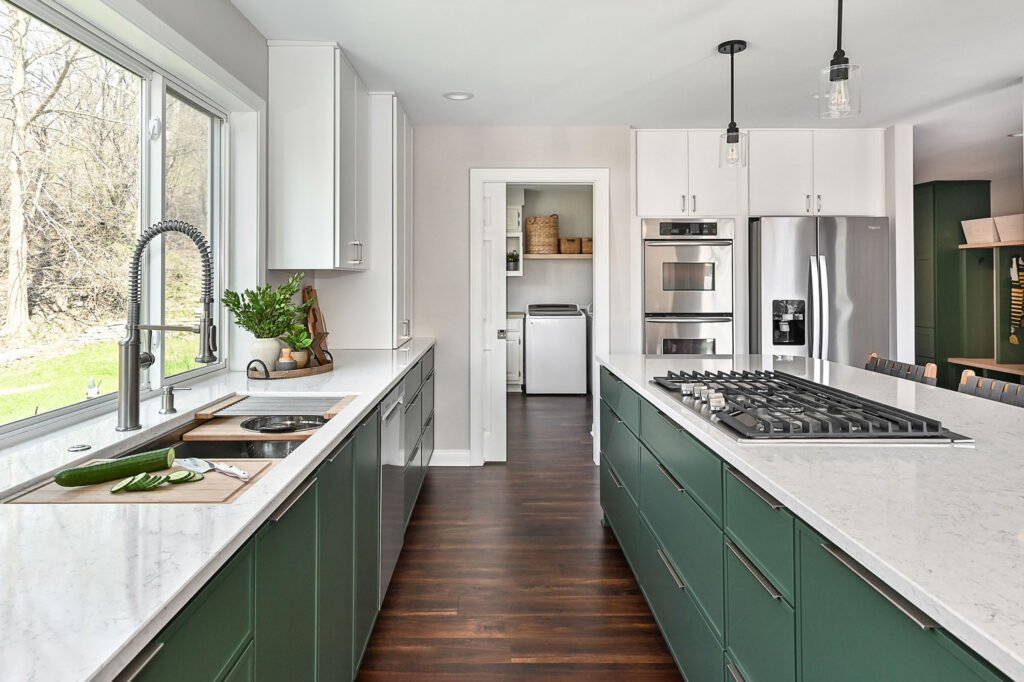
Feature | PVC Board | Wooden Board |
Cost | Cheaper | More Expensive |
Durability | Waterproof, moisture-proof, pest-proof, easy to clean | Afraid of water, prone to moisture, requires regular maintenance |
Appearance | Various colors, but lacks natural grain | Natural grain, beautiful |
Weight | Light | Heavy |
Maintenance | Almost no maintenance required | Needs regular sanding and painting |
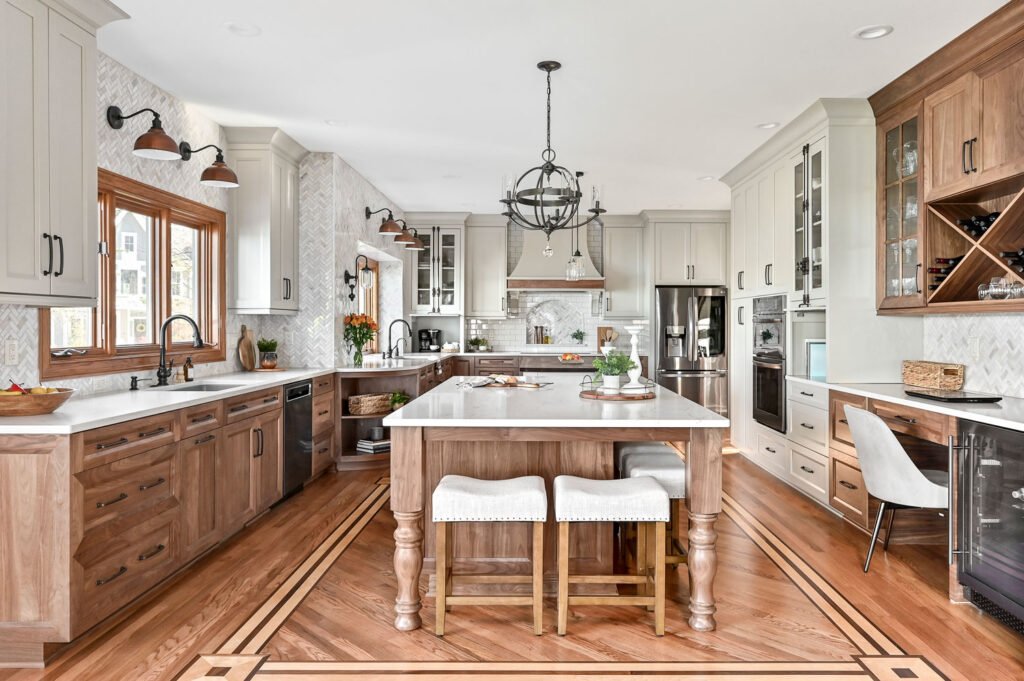
Vinyl is a type of PVC film often used to cover particleboard or MDF to create PVC membrane pressed boards.
PVC usually refers to a solid board material.
Vinyl is a form of PVC application. Therefore, when discussing “which is better,” you are actually comparing PVC board with vinyl-laminated cabinets. Vinyl laminate is usually thinner than solid PVC board, more prone to peeling or damage, but it can mimic wood grain and offers more varied appearance options.
Traditional wallpaper: Wide variety, good breathability, but prone to moisture and mold, and more complex to install.
PVC wallpaper (usually vinyl wallpaper): Has a PVC coating on the surface, making it waterproof and scrubbable, and more durable. However, it has poor breathability, which can lead to moisture buildup on the wall.
PVC doors: Inexpensive, waterproof, and lightweight, but they lack the strength and texture of fiberglass doors.
Fiberglass doors: Stronger and more durable, resistant to moisture and temperature changes, with various appearance options and a better texture. However, they are more expensive. For bathrooms, fiberglass doors are the superior choice because they are more durable and less likely to warp.
Wood Plastic Composite (WPC): Made from a mix of wood fibers and plastic, combining the aesthetics of wood with the durability of plastic. It is moisture-proof, rot-proof, and pest-proof.
PVC: Pure plastic, with excellent moisture resistance but lacks the texture of wood. WPC is the better choice for terraces and balconies because it provides a more natural, warm look while maintaining the durability of PVC.
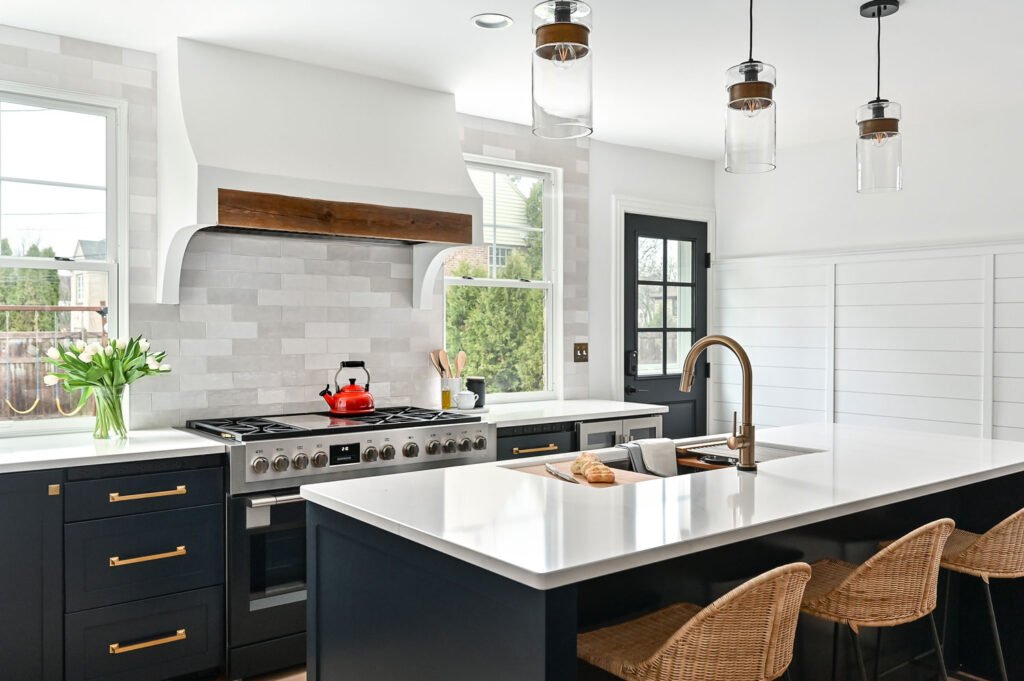
PVC panels: Quick to install, low cost, and waterproof, but they lack the texture and durability of tiles.
Tiles: Very durable, waterproof, easy to clean, and aesthetically pleasing, but installation is complex, and they are expensive and can be fragile. For areas requiring high durability and easy cleaning, such as kitchens and bathrooms, tiles are the better choice. In other areas, PVC panels can be an economical and quick alternative.
Vinyl (as a flooring material): Soft and elastic, completely waterproof, and easy to install, but it can be scratched by sharp objects.
Laminate: Made from multiple layers with a wear-resistant top layer, it is hard and scratch-resistant but susceptible to water, especially at the seams. Water resistance is key. In a kitchen where spills are likely, vinyl is usually the more practical choice.
Wooden windows: Naturally beautiful and have good insulation properties, but they require regular maintenance and are susceptible to termites and weathering.
PVC windows: Excellent thermal insulation, more energy-efficient than wood windows, easy to maintain, and highly weather-resistant. However, they may lack the natural beauty of wood. In Australia, given its extreme weather, PVC windows are generally the better choice for insulation and maintenance.
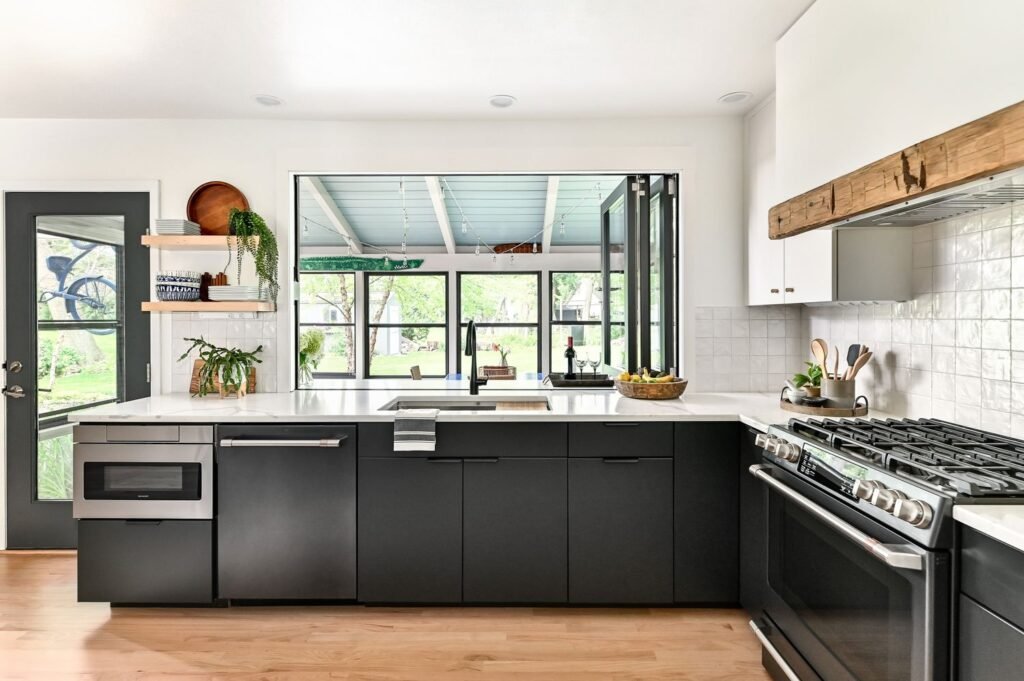
Stainless steel (e.g., Grade 304): Corrosion-resistant and easy to clean, it is often used for kitchen countertops and furniture frames.
Carbon steel: High strength, but prone to rust and usually requires a protective coating. For furniture, stainless steel is the preferred choice due to its durability and aesthetic appeal.
Hangzhou DecorVista Cabinet
86-158-6813-1904
decorvistacabinet@gmail.com
Floor 2, Block 3,No.589 Shixiang Road, Gongshu district, Hangzhou City, Zhejiang Province, China