Bridging the North American Millwork Gap: How South Nanxun’s Craft Cluster & Fully Assembled Delivery Solve the Trades Crisis
- By Decorvista 08/03 2026
————For North American Custom Builders, Architects, Interior Designers, Developers, Luxury Homeowners and Luxury Millwork Partners
Introduction: North American Custom Millwork Is at a Structural Crossroads
The high-end residential millwork industry in North America is facing a profound structural imbalance:
-
Escalating Demand: Homeowners and architects are pushing for seamlessly integrated, sophisticated architectural elements—such as Integrated Door-Wall-Cabinet (IDWC) systems, architectural interior doors, full-height wall paneling, flush concealed doors, built-in storage, bespoke finishes, and refined architectural detailing.
-
Severe Supply Constraints: The pool of skilled tradespeople capable of executing and installing these complex custom millwork designs on-site is shrinking at an alarming rate.
In a recent industry conversation, Herb Benjamin, CEO of Pennsylvania-based Freedom Millwork, captured the core crisis:
“This industry is aging. Our tradespeople are aging. It is increasingly difficult to find young people willing to enter the skilled trades.”
This is no longer just a human resources issue—it has evolved into a critical project delivery crisis. As experienced carpenters, joiners, and master installers retire, every labor-intensive millwork task on-site becomes harder to schedule, coordinate, and execute.
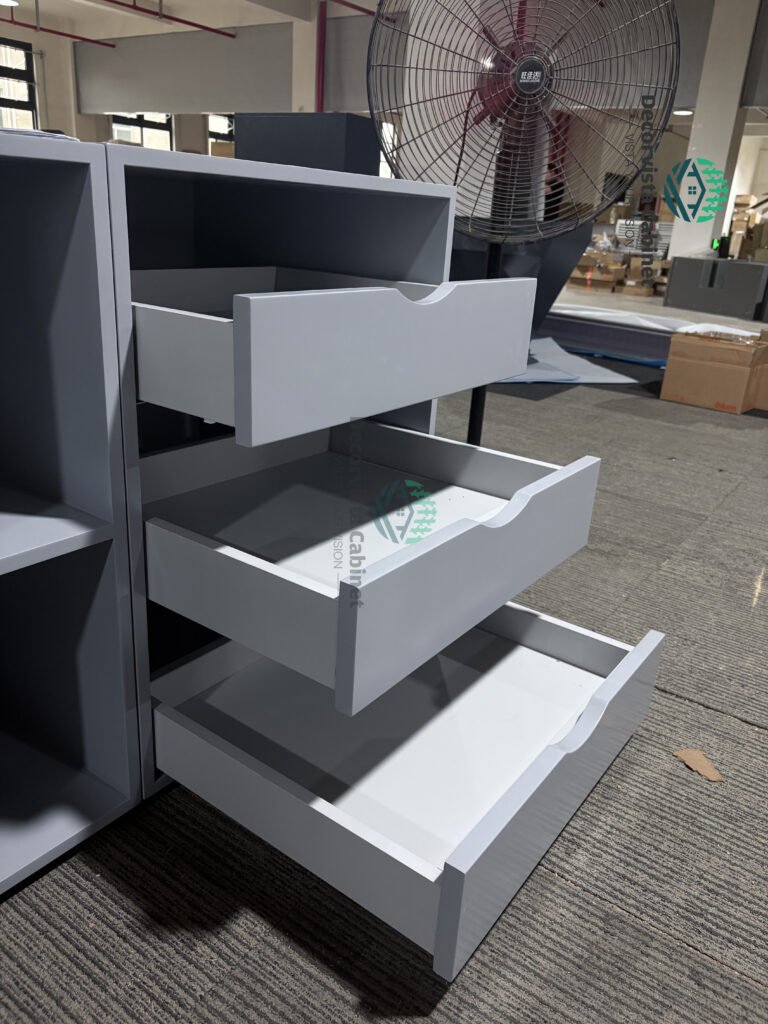
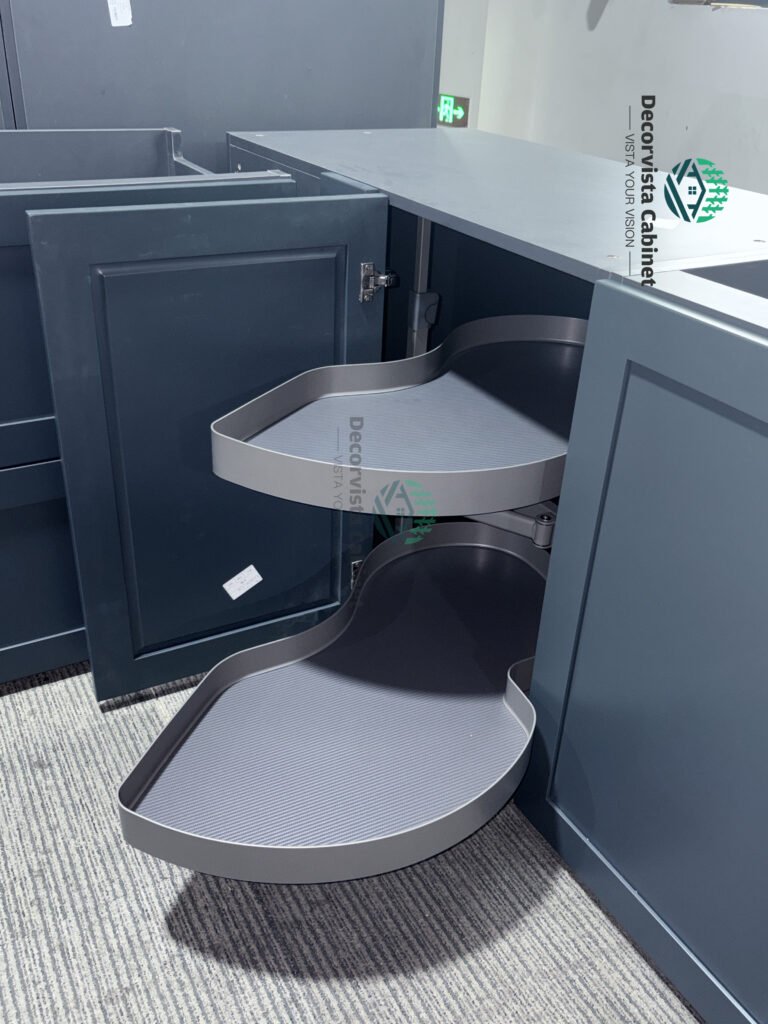
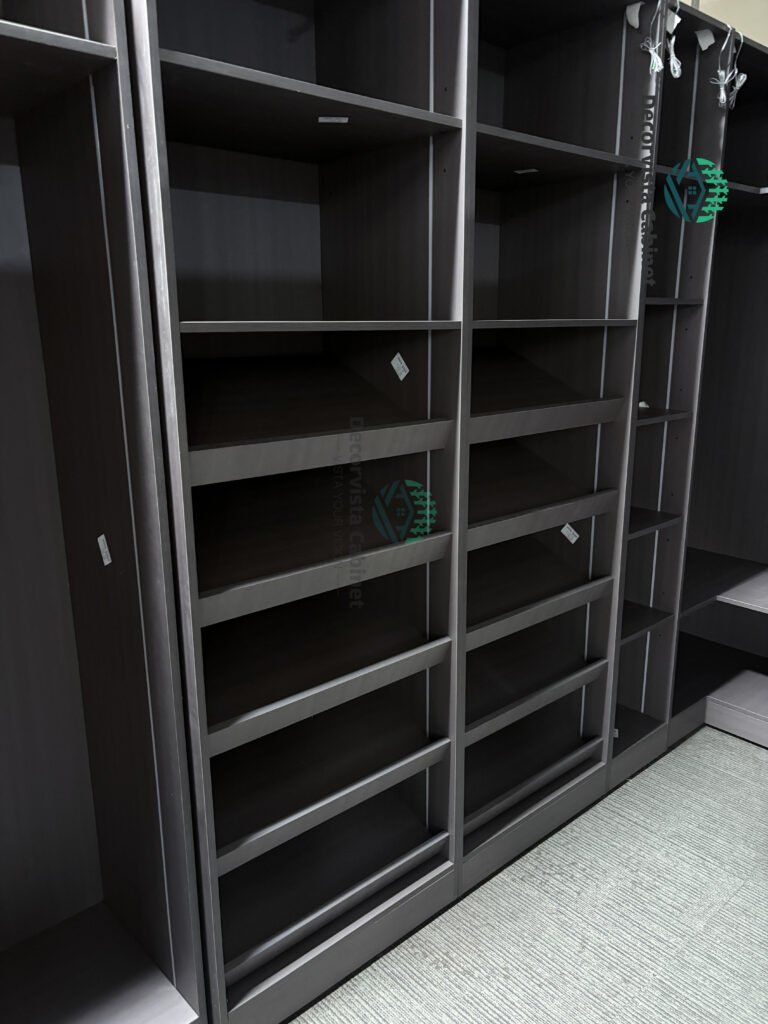
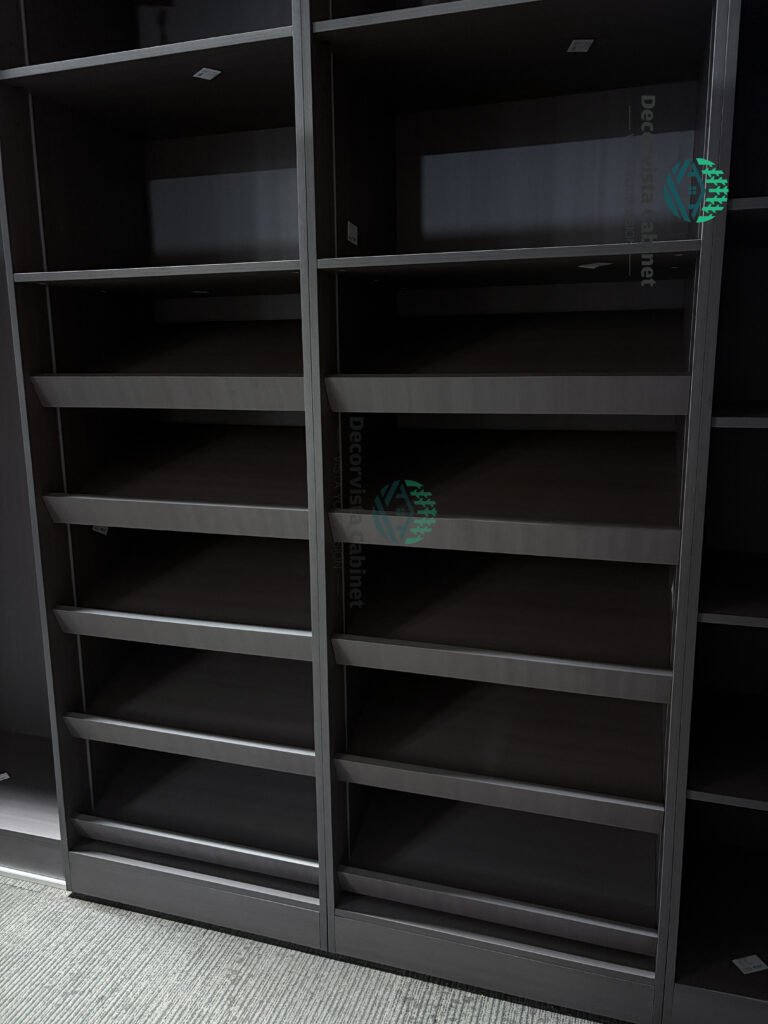
Faced with this challenge, custom builders are left with a fundamental question:
Decorvista’s Strategic Solution: Shift the complexity away from the unpredictable jobsite and into a precision-controlled factory environment. By combining Architectural Shop Drawing Engineering + Precision Manufacturing + Factory Pre-Assembly + Integrated IDWC Systems, leveraging China’s premier millwork manufacturing hub in Nanxun, Zhejiang, we provide an engineered answer to site labor shortages.
1. The North American Millwork Crisis: Beyond a Simple “Labor Shortage”
The shortage of skilled trades affects far more than just the final installation—it disrupts the entire project lifecycle:
Historically, abundant site labor masked design inconsistencies and engineering gaps—carpenters shaved wall panels on-site, installers trimmed cabinet boxes, and joiners custom-fit door casings on the fly. However, as skilled site labor becomes prohibitively expensive and scarce, relying on on-site improvisations is no longer economically viable.
[TRADITIONAL MINDSET] “Can we find someone on-site to figure out how to install this?” (Reactive)
▼
[ENGINEERING MINDSET] “How much installation complexity can we eliminate in the factory before it arrives on-site?” (Proactive)
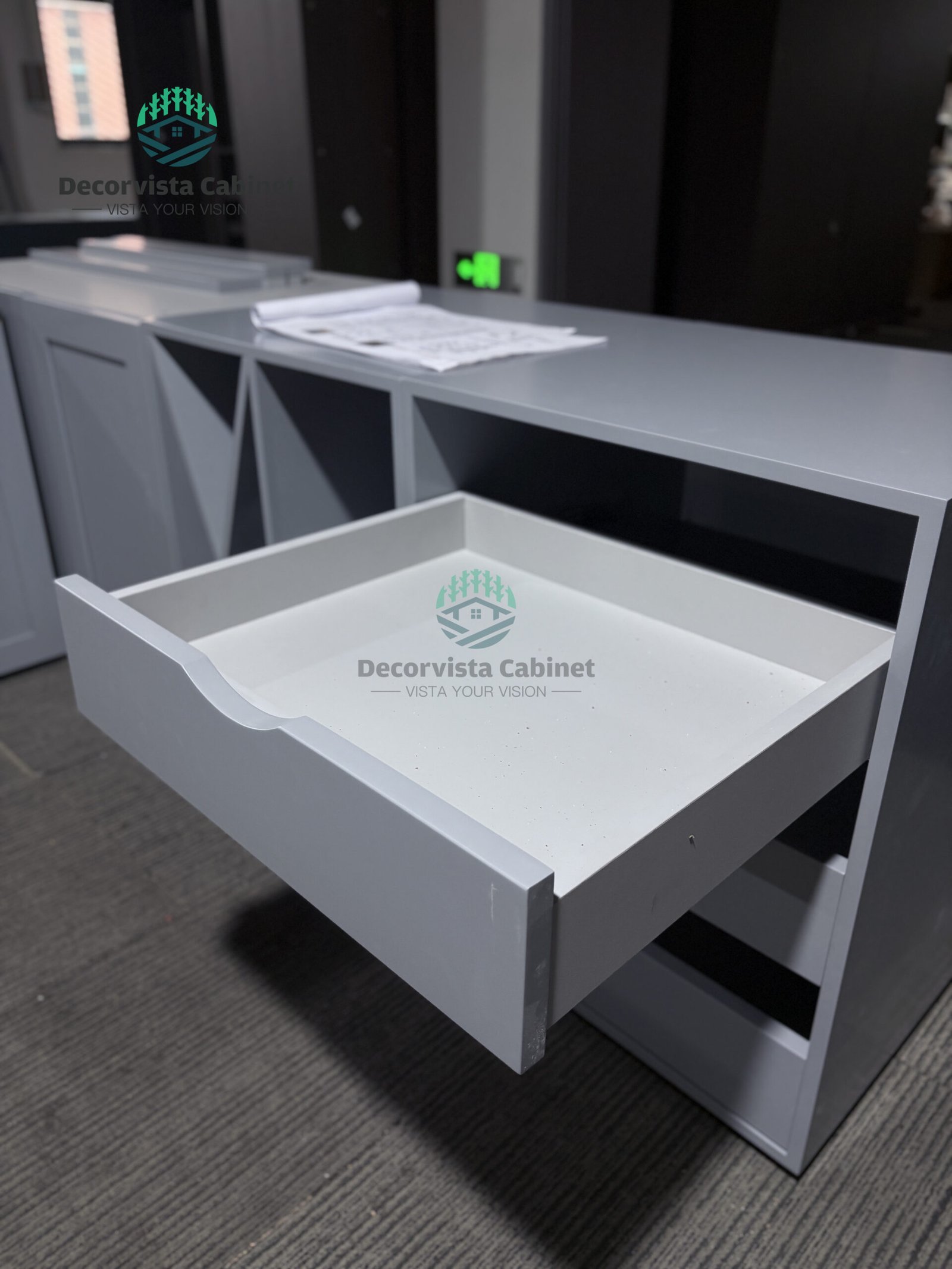
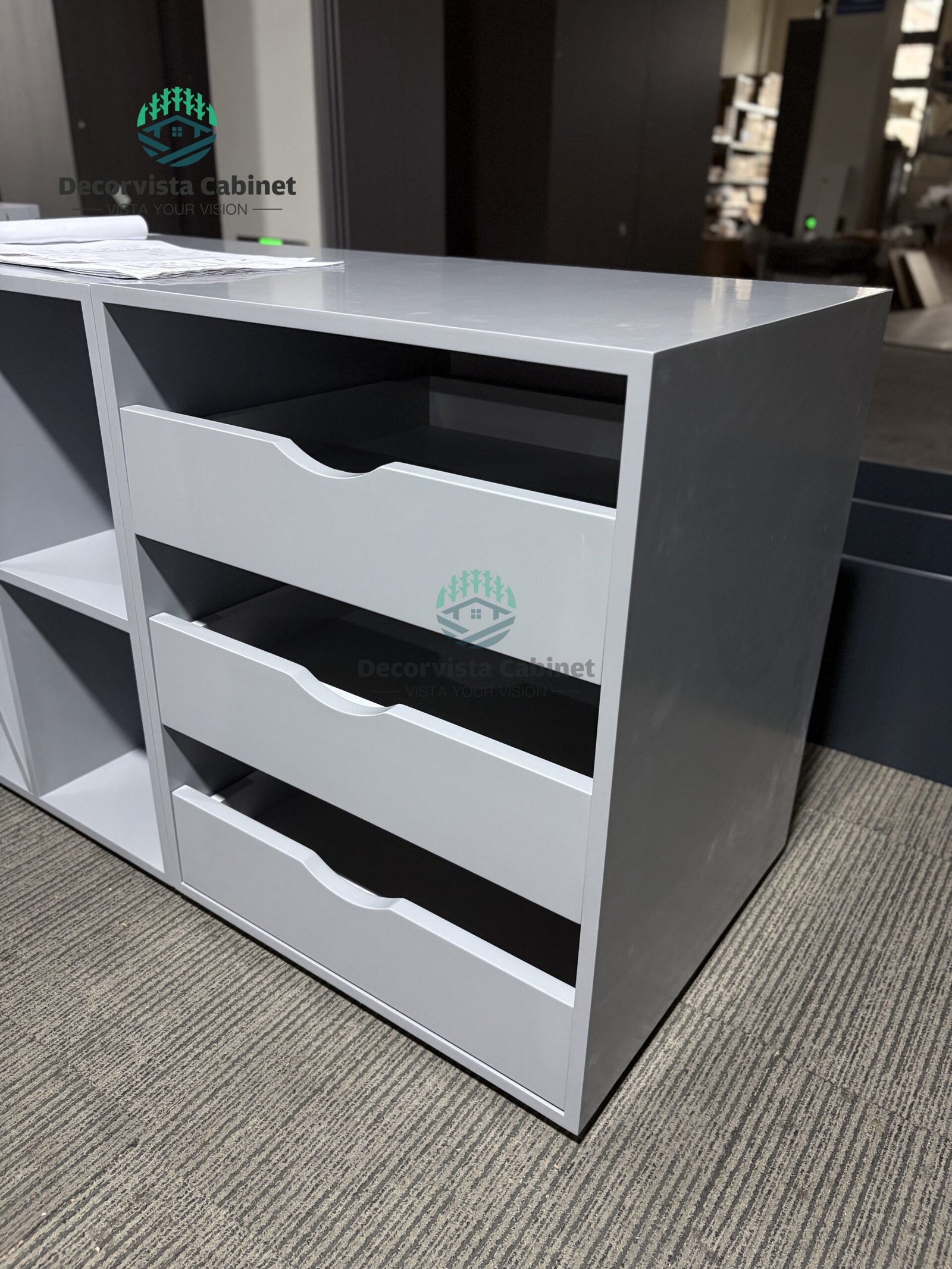
2. The Future of High-End Millwork: Transferring Complexity from Jobsite to Factory
We do not believe factory manufacturing should replace craftsmanship. Rather, we believe engineering should protect, elevate, and amplify the value of traditional craft.
Instead of forcing installers to resolve interface conflicts and structural misalignments on-site, key engineering decisions must be finalized upfront:
-
Design Phase ── Clarify architectural and interior design intent.
-
Engineering Phase ── Resolve dimensions, interface tolerances, hardware integration, and structural anchorage.
-
Production Phase ── Execute high-precision machining using automated CNC equipment and standardized processes.
-
Factory Phase ── Perform 1:1 physical pre-assembly, inspection, alignment, and verification.
-
Jobsite Phase ── Install a fully engineered, pre-fitted system rather than assembling raw components from scratch. Design ──► Shop Drawings ──► Engineering ──► Precision CNC ──► Factory QC ──► 1:1 Pre-Assembly ──► Export Packaging ──► Rapid Site Installation
The essence of this approach is to allow scarce, highly skilled tradespeople to focus on fine craftsmanship and precision, rather than wasting hours troubleshooting preventable errors.
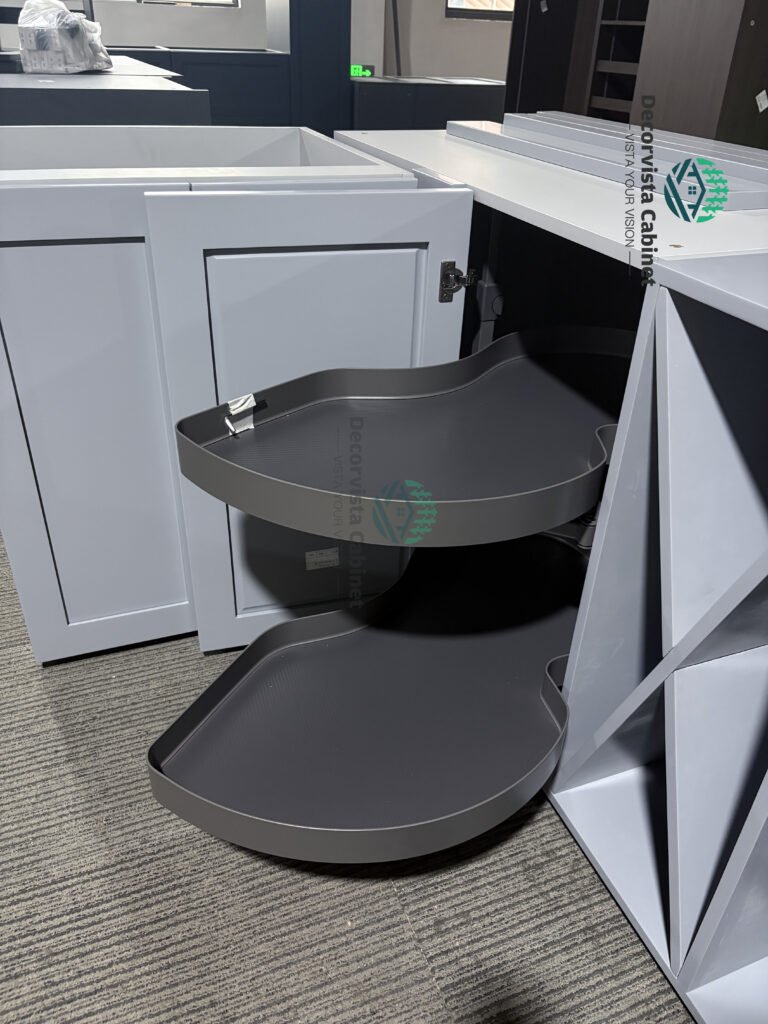
3. Why Nanxun Matters: Bridging Heritage Craftsmanship and Industrial Ecosystems
Decorvista’s primary manufacturing facilities are located in Nanxun, Zhejiang—one of global furniture and custom millwork’s premier manufacturing hubs.
Nanxun’s true value lies in its unrivaled, fully integrated industrial ecosystem:
| Ecosystem Dimension | Resource & Synergy Advantages |
| Talent & Expertise | Generations of master woodworkers paired with modern Industry 4.0 technicians |
| Supply Chain Depth | Direct access to global lumber, natural wood veneers, specialty hardware, and advanced coatings |
| Agile R&D | Highly concentrated auxiliary suppliers enabling rapid sampling and bespoke custom component fabrication |
| Logistics Hub | Mature international export packaging, container loading, and global shipping infrastructure |
This unique ecosystem allows Decorvista to fuse traditional woodworking heritage with advanced digital manufacturing.
This unique ecosystem allows Decorvista to fuse traditional woodworking heritage with advanced digital manufacturing.
4. Industry 4.0 and Heritage Craft: Coexistence, Not Opposition
Luxury residential millwork demands both industrial precision and artisanal touch:
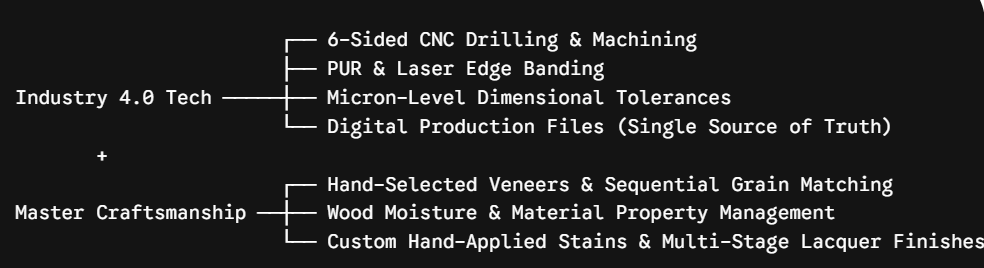
Our goal is not to make luxury millwork look cold or industrialized, but to utilize extreme industrial precision to protect and realize the high aesthetic standards demanded by modern architecture.
5. Factory Pre-Assembly: The Missing Link Between Manufacturing and Installation
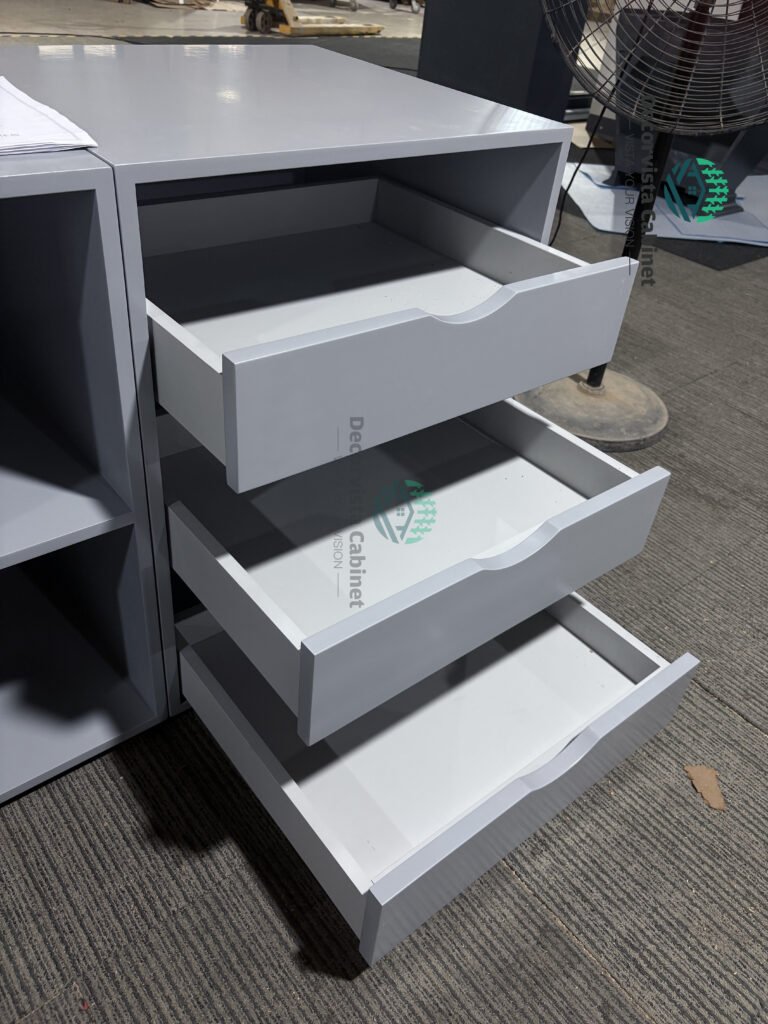
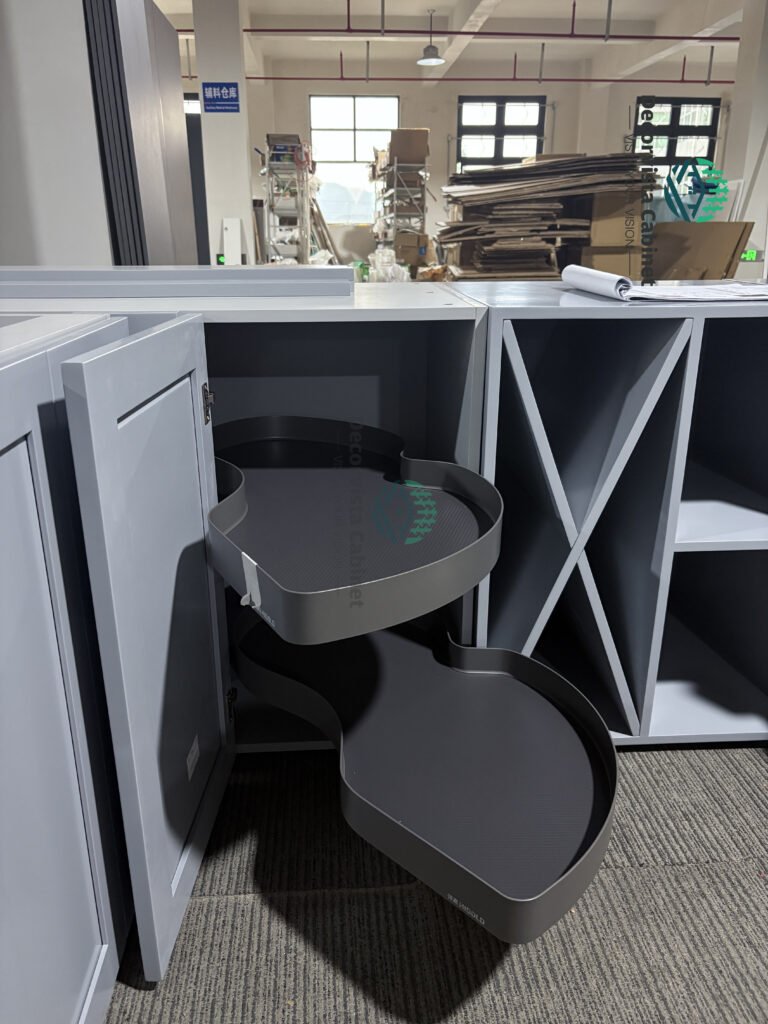
The defining difference between traditional millwork vendors and an engineering-focused millwork manufacturer lies in how much validation occurs before the product leaves the factory.
Many suppliers ship flat-pack (RTA) components or knocked-down parts overseas. While efficient for standardized cabinetry, it pushes critical assembly decisions onto the jobsite—increasing risk for complex architectural designs.
Decorvista implements a Factory Pre-Assembly Strategy:
1:1 Physical Dry-Fit Verification
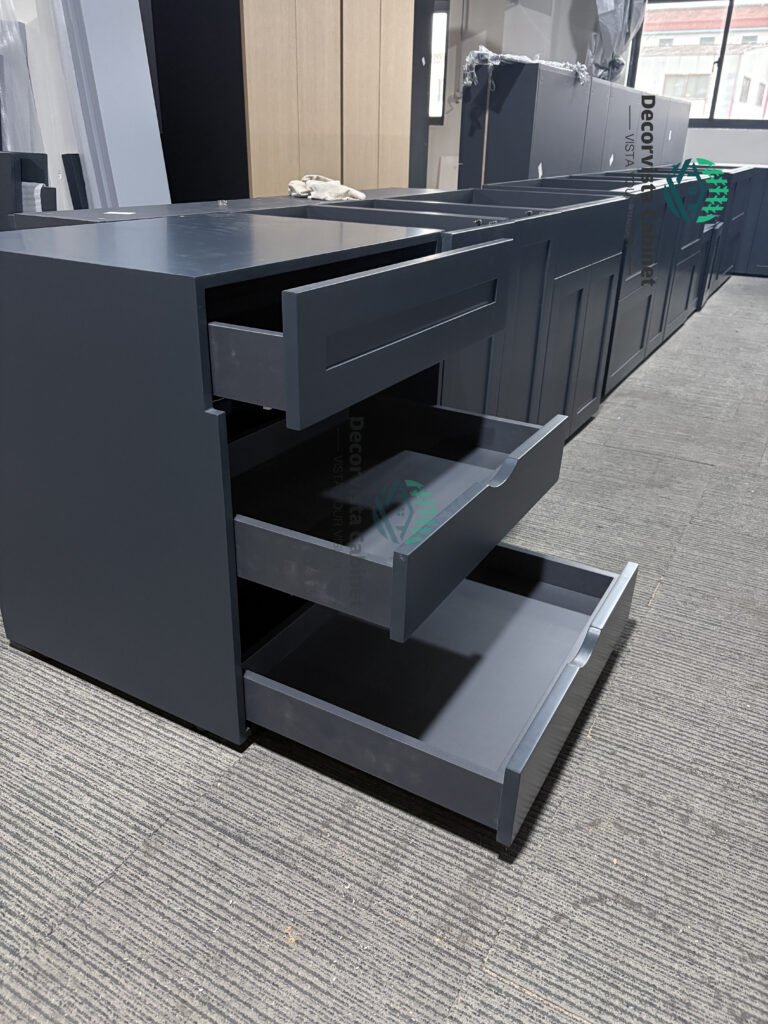
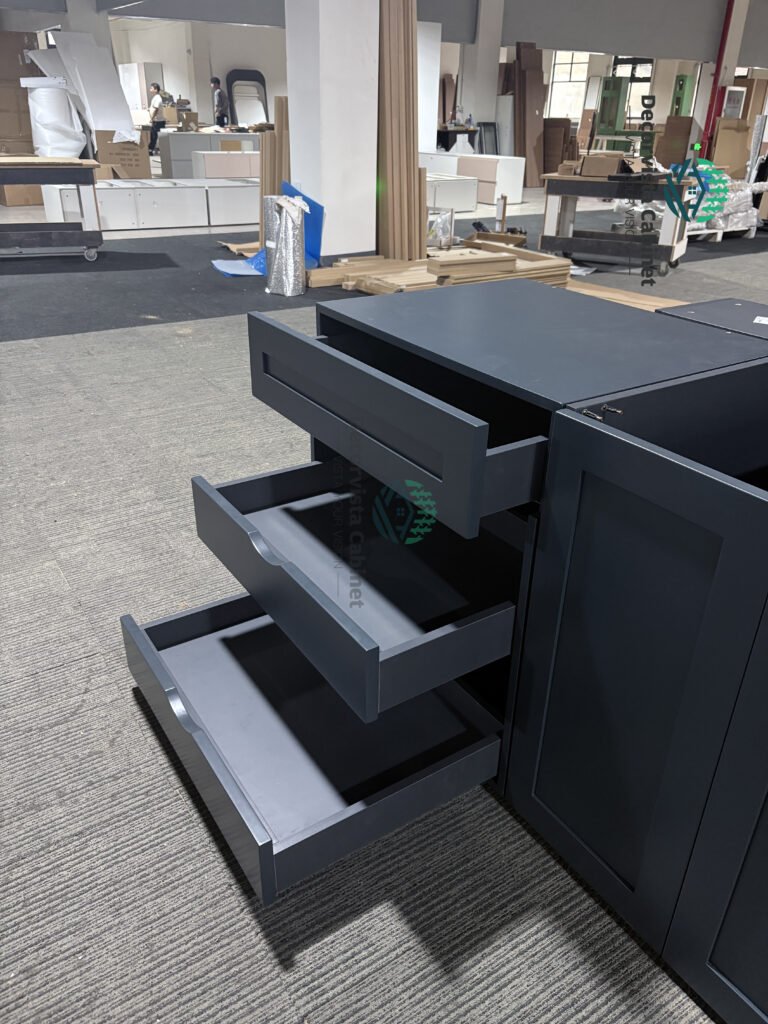
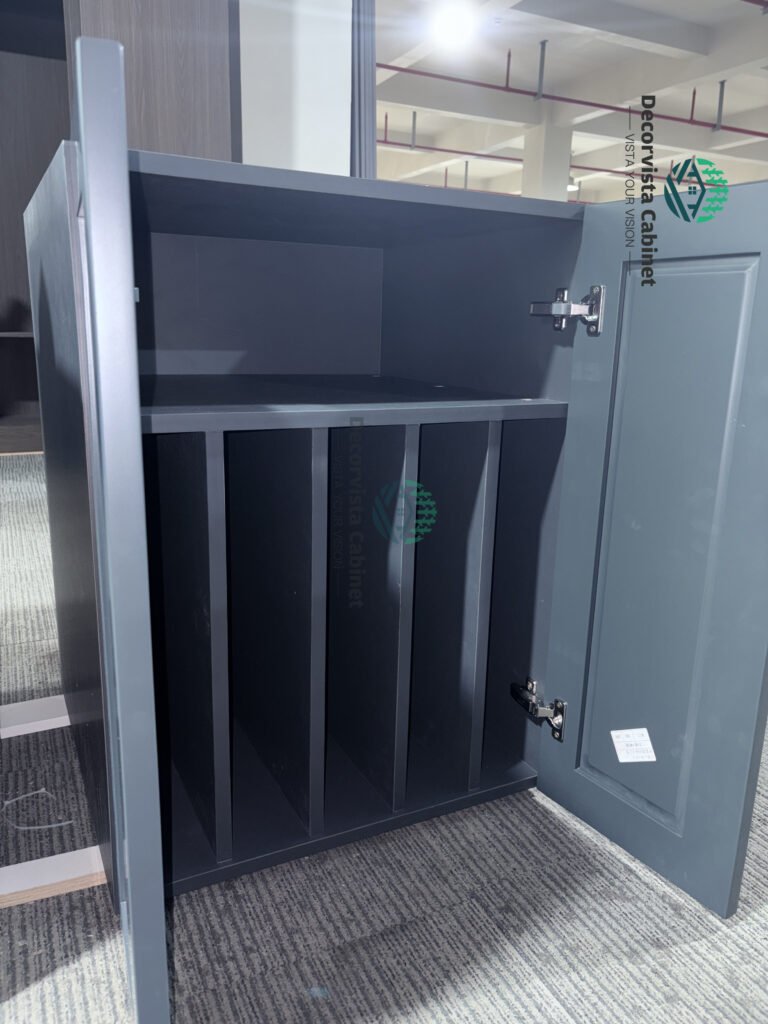
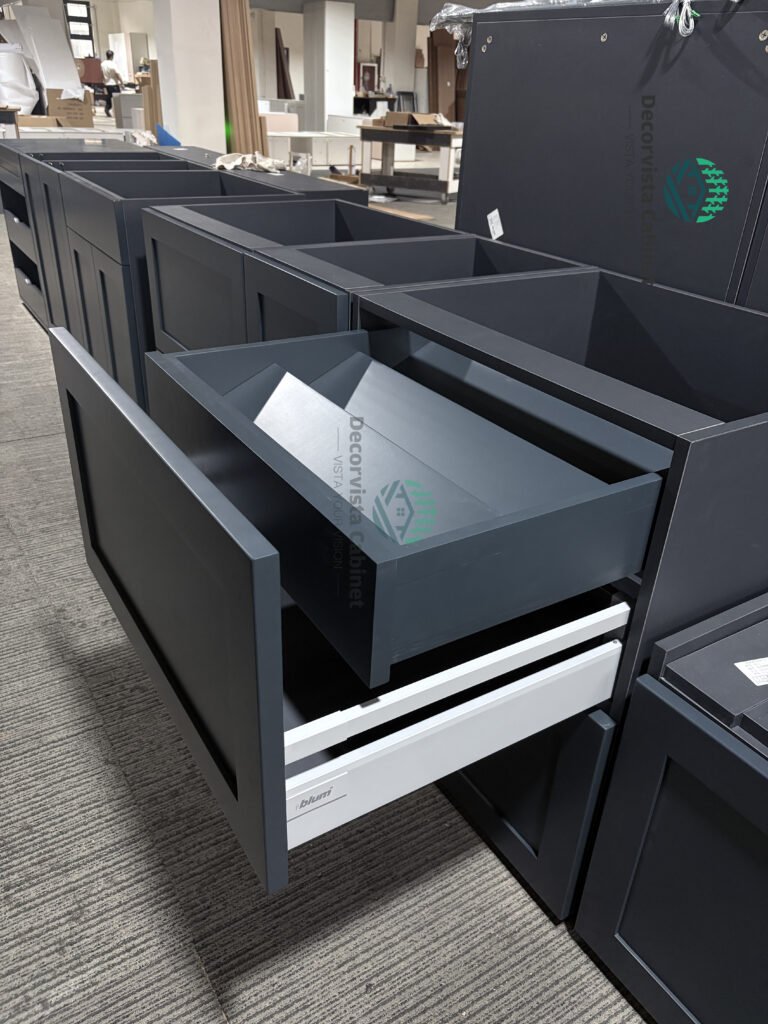
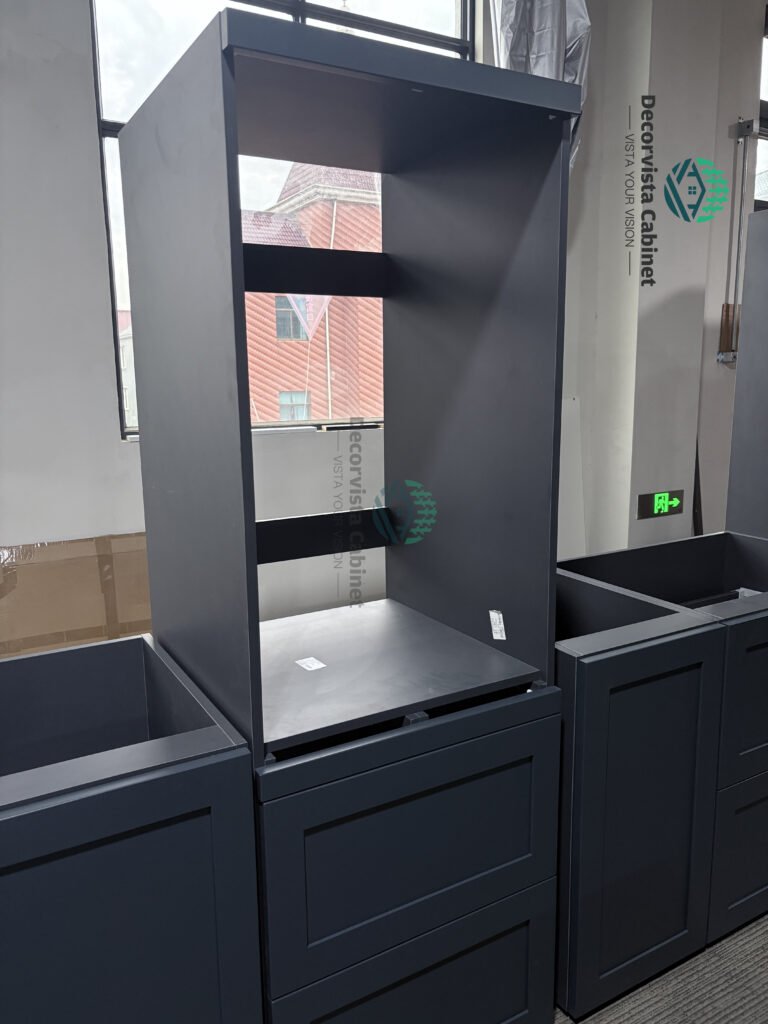
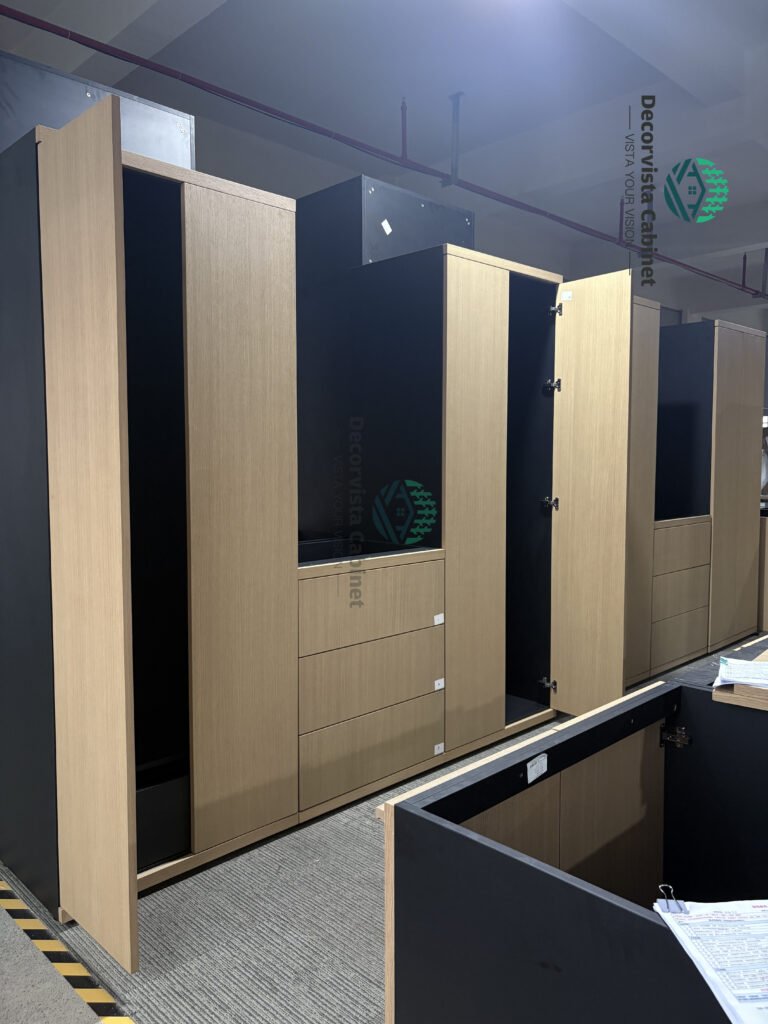
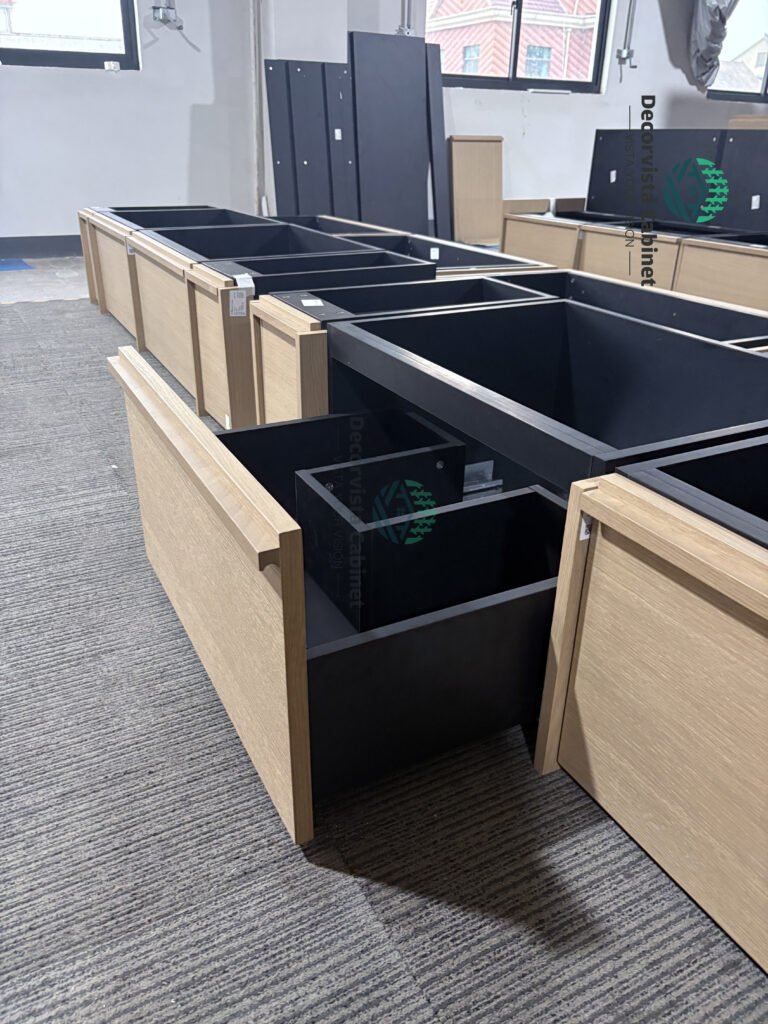
For complex projects, integrated door-wall-cabinet systems undergo 1:1 physical pre-assembly in our factory before export packing to verify:
-
[x] Door leaf alignment, squareness, and coplanar tolerances
-
[x] Panels reveals, shadow lines, and gap consistency
-
[x] Sequential natural wood grain continuity across adjacent panels and doors
-
[x] Cabinet-to-panel structural attachment interfaces
-
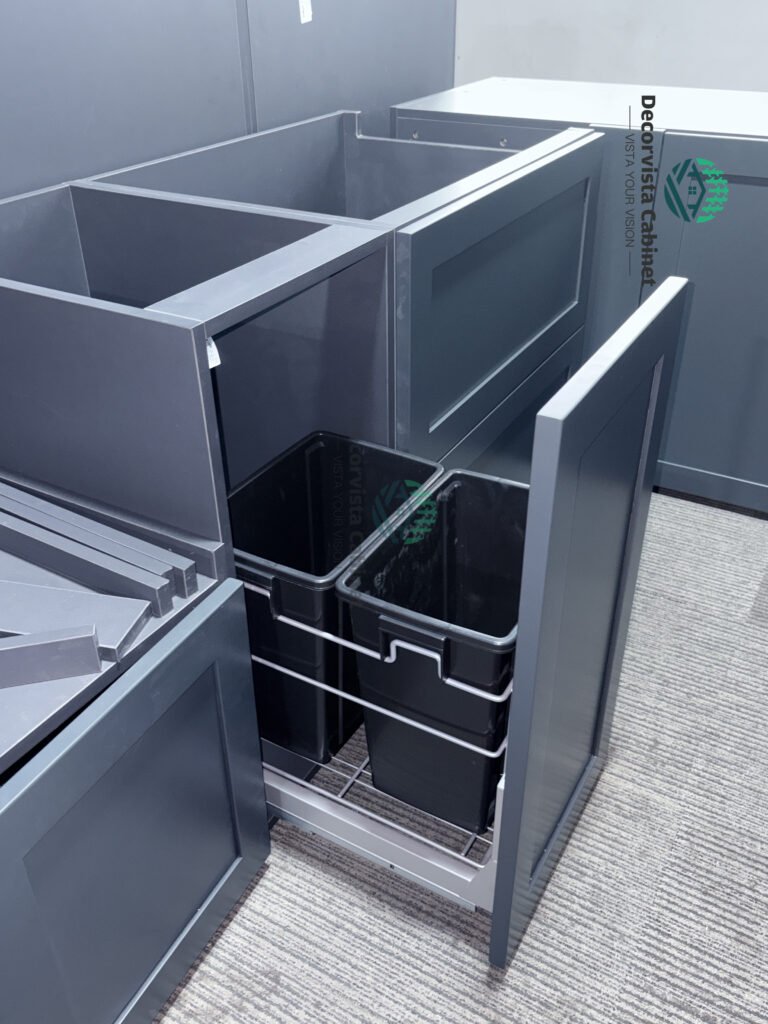
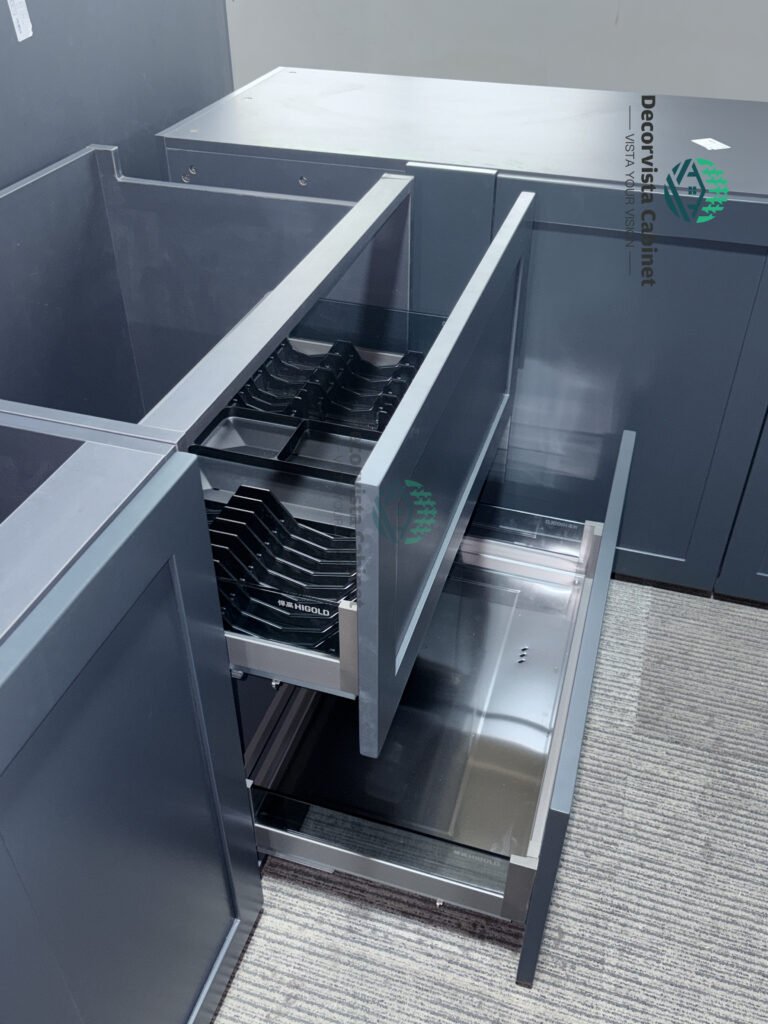
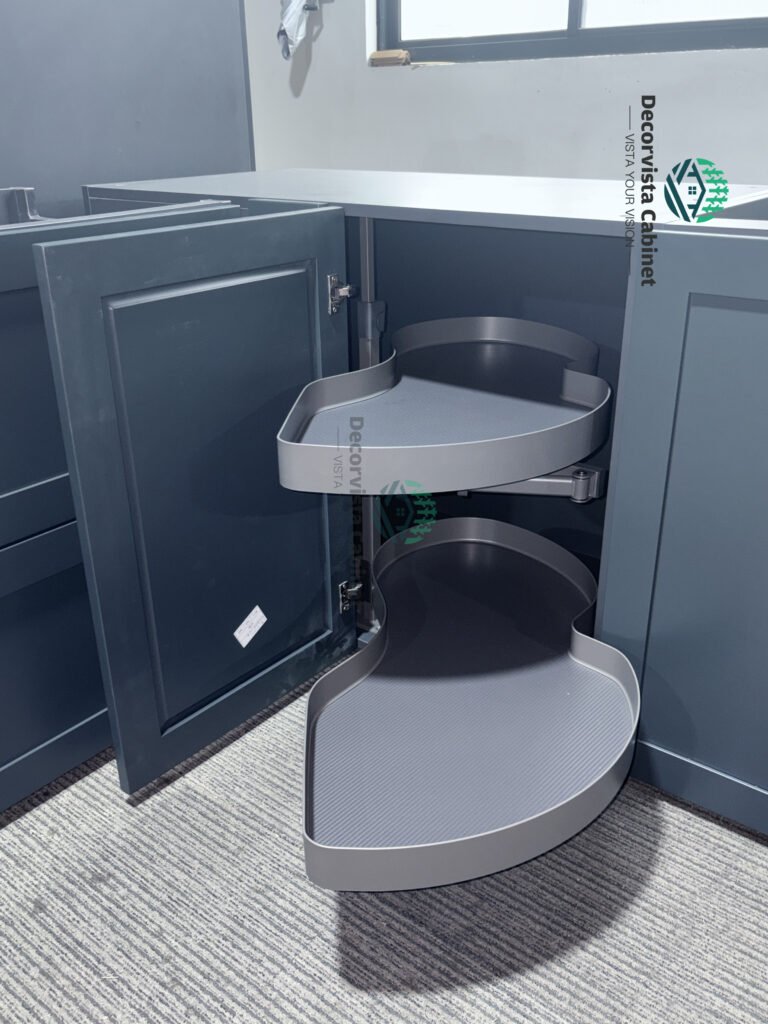
[x] Concealed hardware functionality and integrated LED lighting channels
Core Principle: If an issue can be discovered in the factory, it should never become an unexpected surprise on the North American jobsite.
6. Evolving From “RTA Components” to “Factory-Engineered Modules”
It is essential to distinguish between two manufacturing philosophies:
-
Factory-Made: Individual parts are cut accurately, but assembly, scribing, squareness, and structural joining are left entirely to field installers.
-
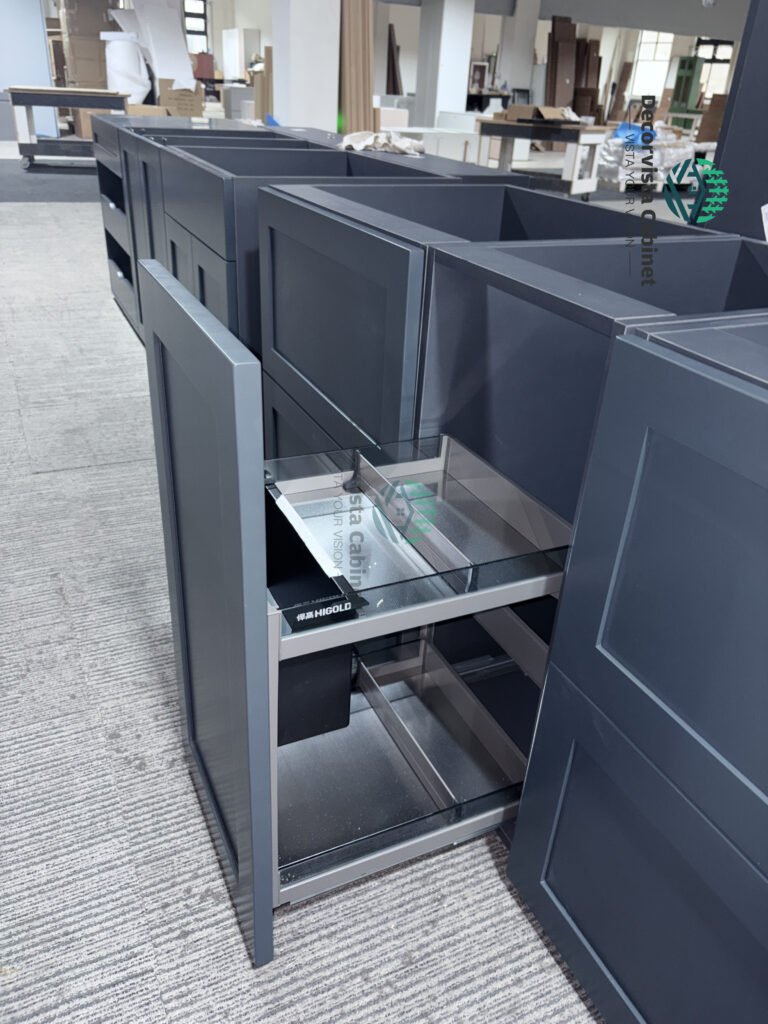
Factory-Engineered & Factory-Assembled: Components are pre-assembled into integrated, modular sub-assemblies in the factory, engineered for rapid jobsite assembly.
This strategic evolution delivers measurable site benefits:
-
Substantial reduction in site installation hours (often saving 50%–70% of field assembly time)
-
Minimization of site-cutting waste, dust, and potential material damage
-
Elimination of field guesswork, installation uncertainty, and costly re-work
7. IDWC Systems: Achieving “Visual Silence” Through Architectural Engineering
One of the most challenging applications in luxury residential design is unifying Doors + Wall Paneling + Cabinetry into a singular architectural language—what we define as Integrated Door-Wall-Cabinet (IDWC) Systems.
Imagine a full-height wood veneer feature wall that seamlessly incorporates a flush concealed door, integrated storage cabinetry, precise reveals, and hidden LED lighting. The challenge is not just fabricating each element separately, but making them look as if they were conceived as a single, monolithic architectural element.
This requires absolute control over:
Veneer Flitch Selection ──► Sequential Grain Matching ──► Precision Machining ──► Hardware Load-Bearing ──► Integrated MEP/Lighting ──► On-Site Tolerance Engineering
8. Grain Matching: An Architectural Element, Not Just a Decorative Detail
In high-end architectural millwork, natural wood grain is an integral part of the architectural composition.
When natural wood veneers extend continuously across Cabinetry ➔ Wall Panels ➔ Concealed Doors ➔ Corner Fillers, simple color matching is insufficient—there must be true Visual Continuity.
Decorvista’s production team meticulously hand-selects, sequences, and numbers natural black walnut, white oak, reclaimed elm, smoked oak, and custom marquetry veneers prior to processing, ensuring that entire wall elevations display a natural, harmonious flow.
9. Shop Drawing Engineering: Establishing a “Single Source of Truth”
Project delays and errors stem from fragmented technical decisions scattered across architectural plans, interior design drawings, builder markups, and installer interpretations.
Decorvista utilizes CAD, Microvellum, and Cabinet Vision workflows to establish a comprehensive Single Source of Truth:
-
Precise site field verification dimensions and structural backing details
-
Clear panel reveals, door proportions, and shadow line details
-
Specified grain direction, veneer matching style, and hardware callouts
-
Pre-coordinated MEP (mechanical, electrical, plumbing) and lighting integrations
Philosophy: Shop drawings should never be mere submittals for approval—they are the primary risk-mitigation tool for the entire project.
10. Pre-Empting Problems Before Production Begins
Exceptional shop drawing engineering actively challenges the design intent before a single sheet of material is cut:
-
❓ Will internal cabinet partitions clash with electrical junction boxes or HVAC return vents?
-
❓ Does the concealed pivot door have adequate swing clearance relative to finished flooring?
-
❓ Are wall panel sub-structures engineered to support heavy stone countertop overhangs?
-
❓ Will large, fully pre-assembled modules fit through standard site doorways, stairwells, or elevators?
Modifying a line on a CAD drawing takes 5 minutes; modifying a millwork module after it arrives on site can cost thousands of dollars.
11. Architectural Style May Vary, Engineering Standards Must Remain Constant
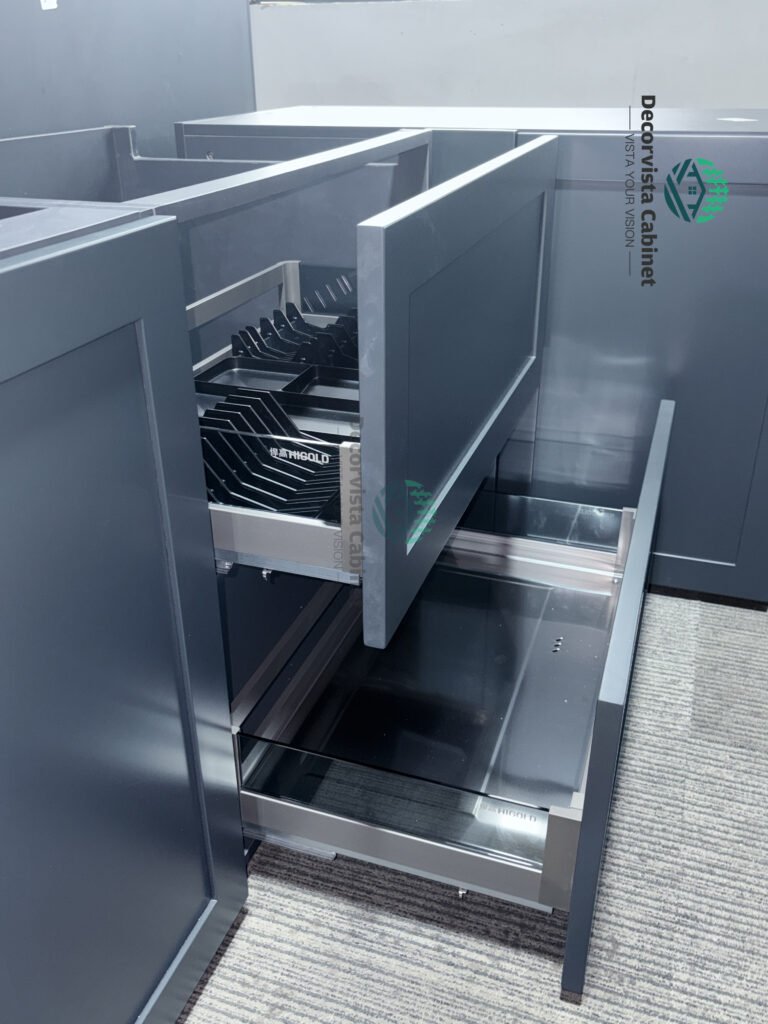
North American luxury residential design encompasses a wide spectrum of aesthetics—from traditional East Coast Traditional, Farmhouse, and Shaker styles to sleek Modern Minimalist architecture.
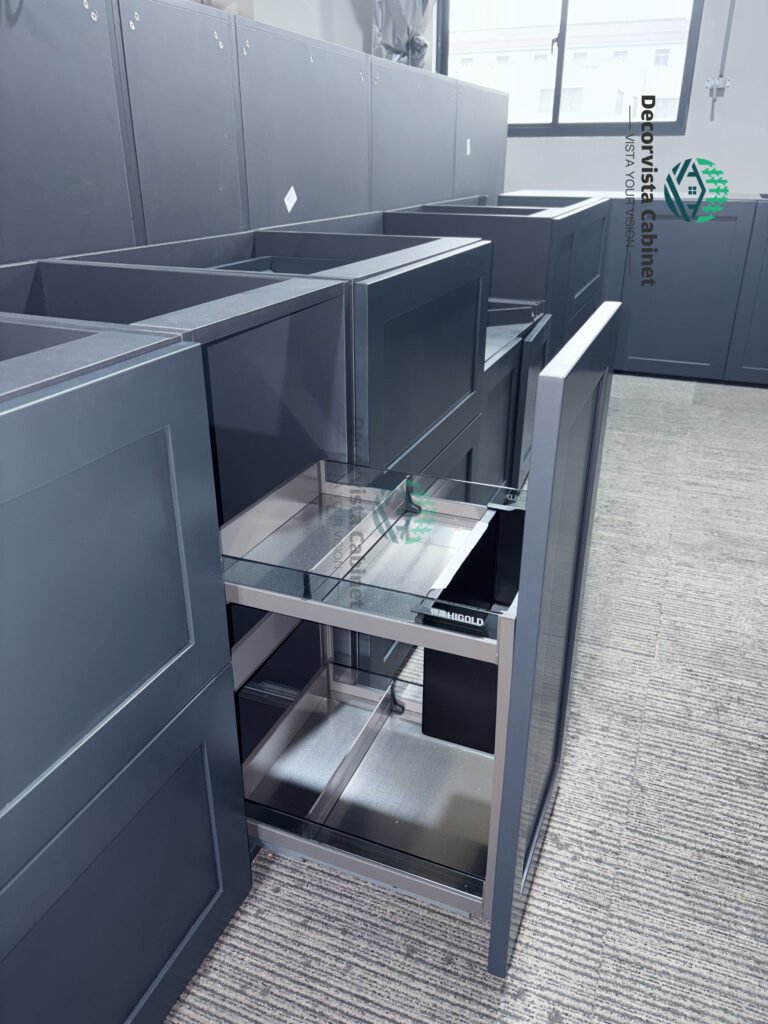
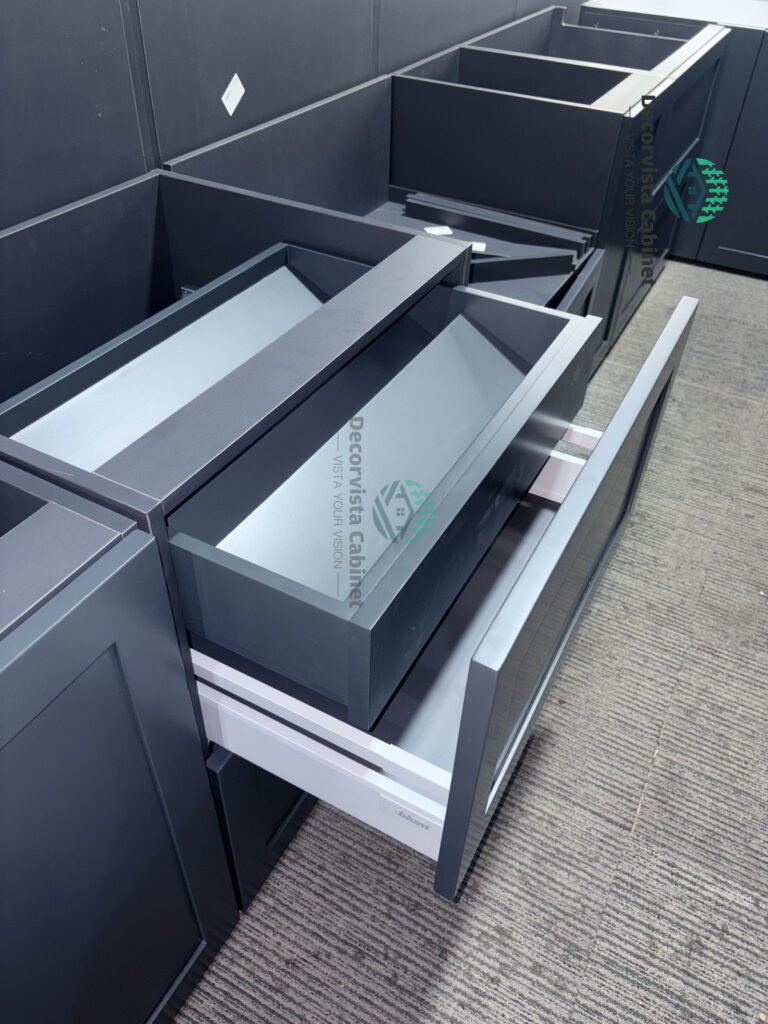
A prominent trend is “Traditional Architecture + Modern Function”—where traditional raised-panel door profiles disguise modern soft-close hardware, hidden pull-out storage, and integrated LED channels.
Decorvista’s Rule: Aesthetic styles adapt to your vision; engineering rigor never compromises.
12. Rethinking Value: Evaluating Total Installed Project Cost
When evaluating international millwork manufacturing partners, looking solely at the FOB factory unit cost is misleading. Custom builders must evaluate the Total Installed Project Cost:
13. Re-defining Direct-From-Factory Sourcing for North American Builders
Traditional perception viewed overseas manufacturing solely as a cost-reduction strategy. In luxury architectural millwork, the true strategic advantage lies in:
-
Integrated, world-class supply chain ecosystems
-
Access to master craftsmen and specialized technical engineering teams
-
Flexible custom manufacturing backed by high-precision CNC automation
-
Rigorously tested factory pre-assembly and export-grade packing standards
The goal is not simply off-shoring production—it is transferring jobsite complexity into a controlled factory environment.
[TRADITIONAL MODEL] Field Measuring ──► Jobsite Cutting ──► On-Site Modifications ──► Trial Assembly ──► High Risk / Unpredictable Costs
[EVOLVED MODEL] Shop Drawings ──► CNC Machining ──► Factory Dry-Fit ──► Quality Control ──► Rapid Site Assembly
14. From “OEM Manufacturer” to “An Extension of Your Project Team”
Cross-border millwork collaboration should never be a black box. Decorvista operates not merely as a cabinet fabricator, but as An Extension of Your Project Team.
We provide end-to-end transparent communication and technical support:
Technical Drawing Review ──► Material & Finish Sample Submittals ──► Shop Drawing Engineering ──► Production Tracking ──► Video-Verified Dry-Fit Sign-off ──► Export Packaging & Installation Guides
15. The Future of Millwork: Reallocating Craftsman Value
North America will always require master carpenters, joiners, and skilled installers. The goal is not to eliminate these essential trades, but to stop wasting their expertise on repetitive site cutting, structural troubleshooting, and assembling loose parts.
By allowing on-site master tradespeople to focus on final precision, critical scribing, and fine adjustments while letting the factory handle structural complexity, we unlock true value across the entire building process.
Conclusion: Redefining “Factory-Direct”
Factory-Direct should mean far more than competitive pricing. It represents a higher standard of delivery:
-
More Engineering ── Comprehensive shop drawing resolution before production
-
More Quality Control ── 100% factory inspection prior to container loading
-
More Pre-Assembly ── Functional module assembly completed before ocean transit
-
Fewer Site Decisions ── Reduced complexity left for installers on-site
-
Less Builder Risk ── Predictable timelines, controlled budgets, and flawless execution
From site complexity to factory precision.
From standalone products to integrated architectural millwork systems.
From a manufacturing vendor to a true project partner.
About Decorvista
Decorvista Cabinet is a premier architectural millwork engineering and manufacturing enterprise specializing in Integrated Door-Wall-Cabinet (IDWC) Systems and High-End Residential Architectural Millwork for international markets.
Our Core Capabilities:
-
Architectural Shop Drawing Engineering (Microvellum / AutoCAD)
-
Luxury Custom Kitchen Cabinetry & Whole-Home Built-ins
-
Architectural Interior Doors & Concealed Pivot Door Systems
-
Integrated Wall Paneling & Architectural Cladding
-
Industry 4.0 Manufacturing: 6-Sided CNC Drilling, Laser & PUR Edge Banding
-
Hand-Selected Veneers & Sequential Grain Matching
-
1:1 Factory Dry-Fit Pre-Assembly & Export Packaging
We invite North American Custom Builders, Architects, Interior Designers, and Developers to submit project drawings and engineering specifications. Discover how factory pre-engineering can streamline your next luxury residential build.